Everything you need to plan a smooth, unforgettable trip — from the best season to fly in, to what belongs in your suitcase, where to point your itinerary, and the rookie mistakes worth sidestepping.
Step off the plane in Morocco and it grabs you immediately. The call to prayer drifting over rooftops, the scent of cumin and orange blossom curling out of the souks, a medina that seems to fold in on itself with no clear start or finish — it’s a lot to absorb on a first visit. This guide walks through everything a newcomer needs to plan a smooth route through the country.
Whether you’re piecing together a 7-day Morocco itinerary, sorting out visa questions, or simply wondering what to pack, you’ll find it here.
Morocco sits where Africa, Europe, and the Arab world meet, and that crossroads location is exactly what gives the country its texture. On one trip you can wander a medina that’s over a thousand years old, hike through the Atlas Mountains, cross into the Sahara on camelback, and finish the day with fresh seafood on the Atlantic coast. Few places fit this much range into a single two-week window — one reason Morocco has become such a fast-growing draw for travelers.
Getting the timing right matters more here than in most destinations, largely because the weather shifts so dramatically between the coastline, the mountains, and the desert.
Spring (March–May) Generally regarded as the sweet spot. Temperatures are mild, almond and orange trees are in bloom, and conditions are comfortable for both hiking and desert excursions.
Autumn (September–November) The other prime window. The peak summer heat has broken, but it’s still warm enough to enjoy the coast and linger outside in the desert at night.
Summer (June–August) Inland cities like Marrakech and Fes turn brutal, frequently climbing past 40°C (104°F). Coastal towns such as Essaouira are the smarter call this time of year.
Winter (December–February) A solid stretch for exploring cities and day trips into the desert, but nights in the Sahara and up in the Atlas Mountains drop sharply — bring layers.
Travelers from the US, UK, EU, and Canada can typically enter Morocco visa-free for stays up to 90 days. Entry rules shift periodically, so double-check your country’s current requirements before booking flights. You’ll generally need a passport valid for at least six months beyond your travel dates.
Modest clothing goes a long way in Morocco, especially outside beach resorts and the more tourist-heavy pockets of the big cities.
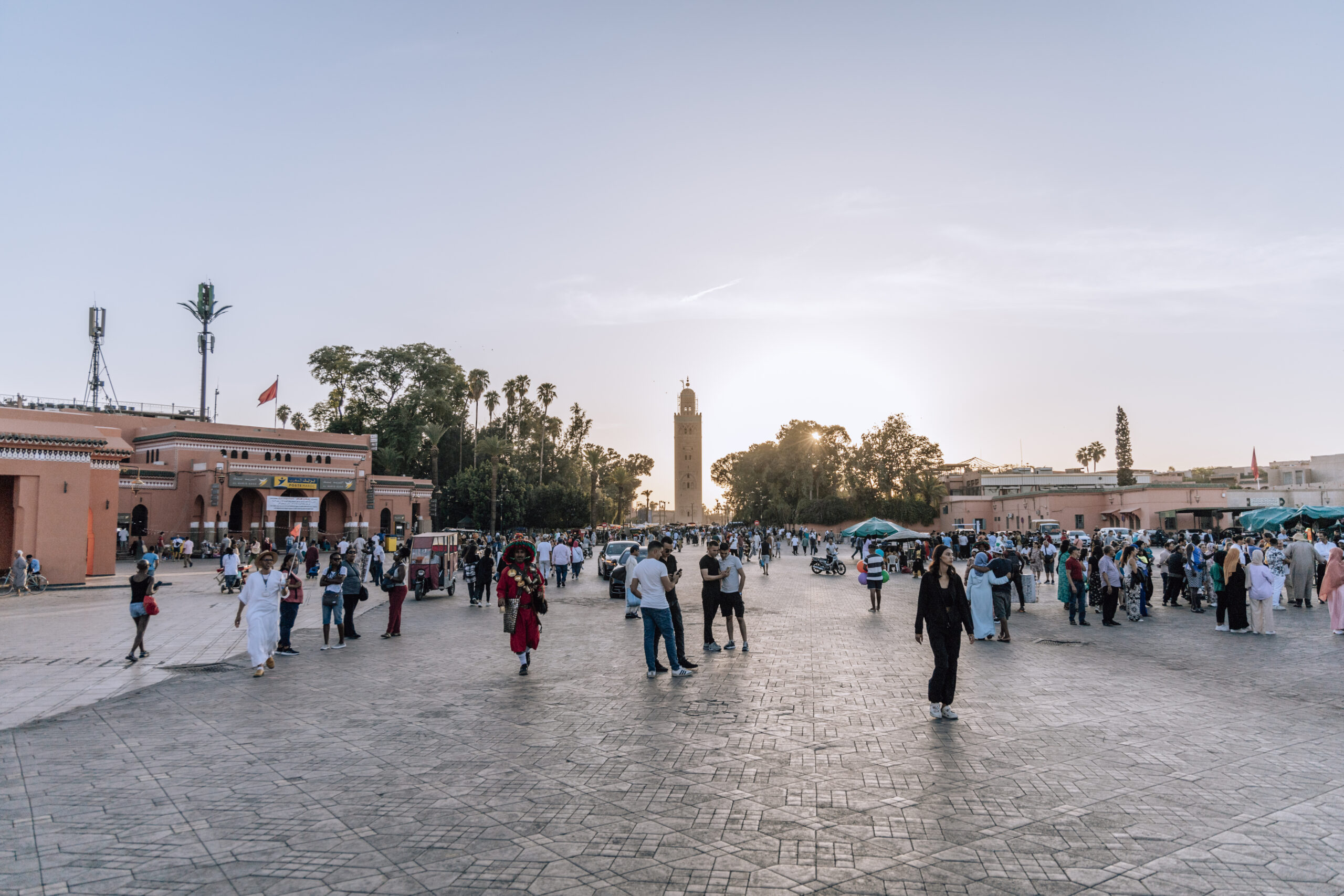
1. Get lost in the Marrakech medina. It’s chaotic by design — narrow alleys, motorbikes cutting through, vendors calling out. Slow your pace and let it happen; it starts to make sense. Djemaa el-Fna square comes alive after dark with food stalls, musicians, and storytellers.
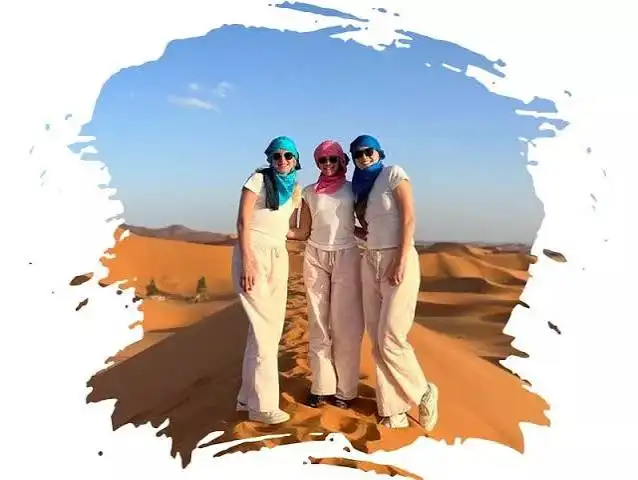
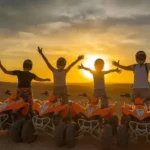
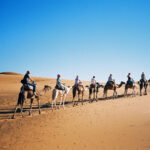
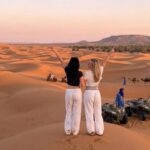
2. Take a Sahara camel trek. Riding out into the dunes near Merzouga or Zagora as the sun drops is one of the most sought-after experiences in the country, and it holds up to the hype. Camping under a sky with almost no light pollution is worth building an entire itinerary around. It’s not just about the photos — it’s the silence.
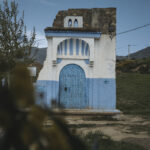
3. Wander the blue streets of Chefchaouen. Every wall, staircase, and doorway in the old town is painted some shade of blue. It’s one of the most photographed towns in Morocco and an easy trip from Fes or Tangier.
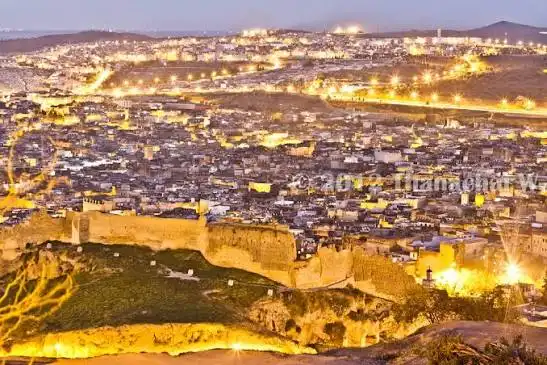
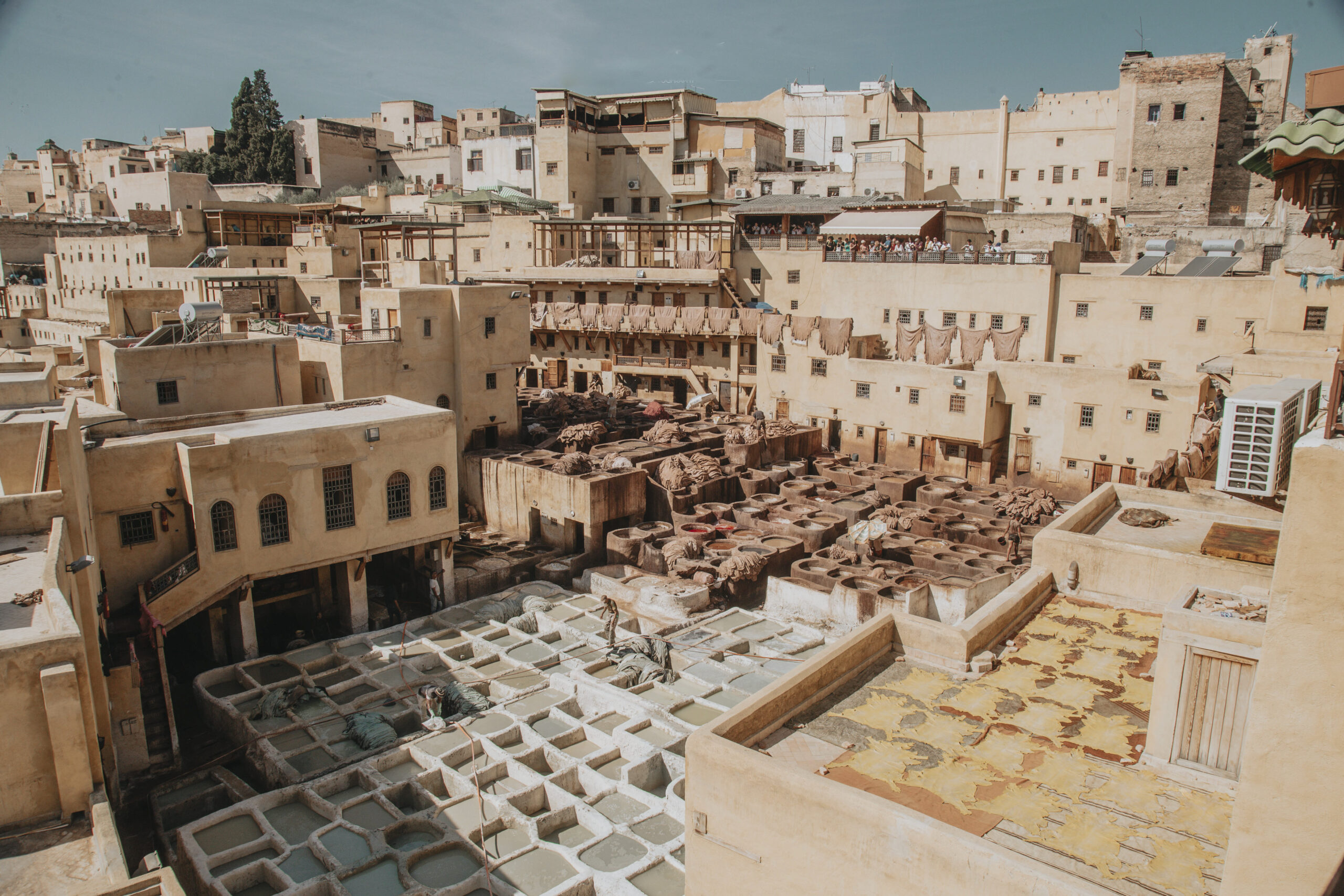
4. Explore the Fes medina and tanneries. Fes is home to the world’s oldest continuously operating university, and its medina is vast enough that most first-timers hire a local guide just to navigate it. The leather tanneries, lined with rows of colorful dye pits, are a must — take the mint offered at the entrance, it helps with the smell.
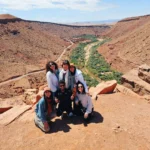
5. Hike in the Atlas Mountains. A day trip into the High Atlas, just an hour outside Marrakech, takes you through Amazigh (Berber) villages, terraced farmland, and valleys that feel a world away from the city.
6. Relax in Essaouira. This laid-back Atlantic town is known for fresh seafood, strong winds that pull in surfers and windsurfers, and a pace considerably calmer than the interior cities.
Morocco is generally affordable compared to much of Europe. The local currency is the Moroccan Dirham (MAD). Cards are increasingly accepted in cities, but cash still rules in the medinas and smaller towns. ATMs are plentiful in urban areas but can thin out in rural regions, so plan ahead before heading toward the desert or mountains.
Morocco is generally considered safe for travelers, including solo women, though the usual city-travel instincts apply: keep an eye on your belongings in crowded medinas, agree on taxi fares before getting in, and stay politely firm with persistent vendors or unofficial “guides.” Sticking to well-reviewed riads and licensed tour operators makes a noticeable difference in how the trip feels overall.
Independent travel is very doable, thanks to Morocco’s train network and the well-worn tourist corridor between Marrakech, Fes, and Chefchaouen — and it gives you the most flexibility. A guided tour, on the other hand, strips out the guesswork, which is especially useful for the Sahara leg, where distances are long and local knowledge helps you get more out of the route.
What is the best time to visit Morocco? Spring (March–May) and autumn (September–November) offer the most comfortable weather across the country as a whole.
How many days do I need for a first Morocco trip? A week is enough to cover one region well — typically Marrakech, the Atlas Mountains, and a short desert detour. For the classic route including Fes and Chefchaouen, plan on 10–11 days.
Do I need a visa to visit Morocco? Most travelers from the US, UK, EU, and Canada can enter visa-free for up to 90 days, though it’s worth confirming your country’s current rules before you book.
Is Morocco expensive to visit? It’s generally affordable compared to much of Europe, particularly for food, transport, and accommodation outside the luxury riad tier.
What should I pack for Morocco? Loose, breathable clothing that covers shoulders and knees, a scarf or shawl, comfortable walking shoes, and layers for the temperature swings in the Sahara and Atlas Mountains.
Morocco isn’t a place you rush through — it’s one you settle into. Whether it’s the hum of the Marrakech medina, the stillness of the Sahara at night, or the blue lanes of Chefchaouen, first-time visitors tend to leave already planning their next trip back.