+212 694-574937 contact.advisormorocco@gmail.com

Is Morocco Safe for Tourists? A Complete 2026 Guide from a Local Private Tour Agency

If you’ve been scrolling through headlines and travel forums before booking your trip, you’ve probably typed the same question into Google that thousands of travelers ask every month: is Morocco safe for tourists? It’s a fair question. Morocco sits at the crossroads of Europe, Africa, and the Middle East, and unfamiliar geography can make any destination feel riskier than it actually is.

The short answer, based on official government data and years of running private trips across the country, is yes, Morocco is a safe, welcoming destination for tourists, including solo travelers, families, and first-time visitors to North Africa. But “safe” doesn’t mean “risk-free,” and understanding why it’s safe, where the real risks lie, and how to avoid them will make the difference between a trip full of easy, memorable moments and one full of unnecessary stress.

This guide covers everything you need to know before booking, straight from a team that plans private itineraries across Morocco every week of the year.

What the Official Travel Advisories Actually Say

Before trusting any blog post, including this one, always check your own government’s official travel advisory. As of the most recent update, the U.S. Department of State places Morocco at a Level 2: Exercise Increased Caution rating. It’s worth reading that classification carefully rather than reacting to the word “caution” alone: the advisory is driven by a general concern about terrorism risk in public spaces such as transit hubs, markets, and malls, not by any specific or active threat. Morocco shares this same risk category with several major European destinations, which puts it in the same conversation as countries most travelers wouldn’t think twice about visiting.

The UK Foreign, Commonwealth & Development Office and similar agencies in Canada and Australia describe Morocco in comparable terms: broadly safe for tourism, with specific cautions limited mostly to border areas near Algeria and parts of Western Sahara, regions that don’t overlap with any standard tourist itinerary.

Practical takeaway: Register your trip with your embassy if that service is available to you, keep half an eye on local news while traveling, and treat crowded public spaces the way you would in any major city, with normal, situational awareness rather than fear.

The Real Risks: Petty Theft and Scams, Not Violent Crime

Ask any local guide what actually goes wrong on a Morocco trip, and the answer is almost never violence. It’s small stuff, the kind of thing that happens in Barcelona, Rome, or Paris just as easily:

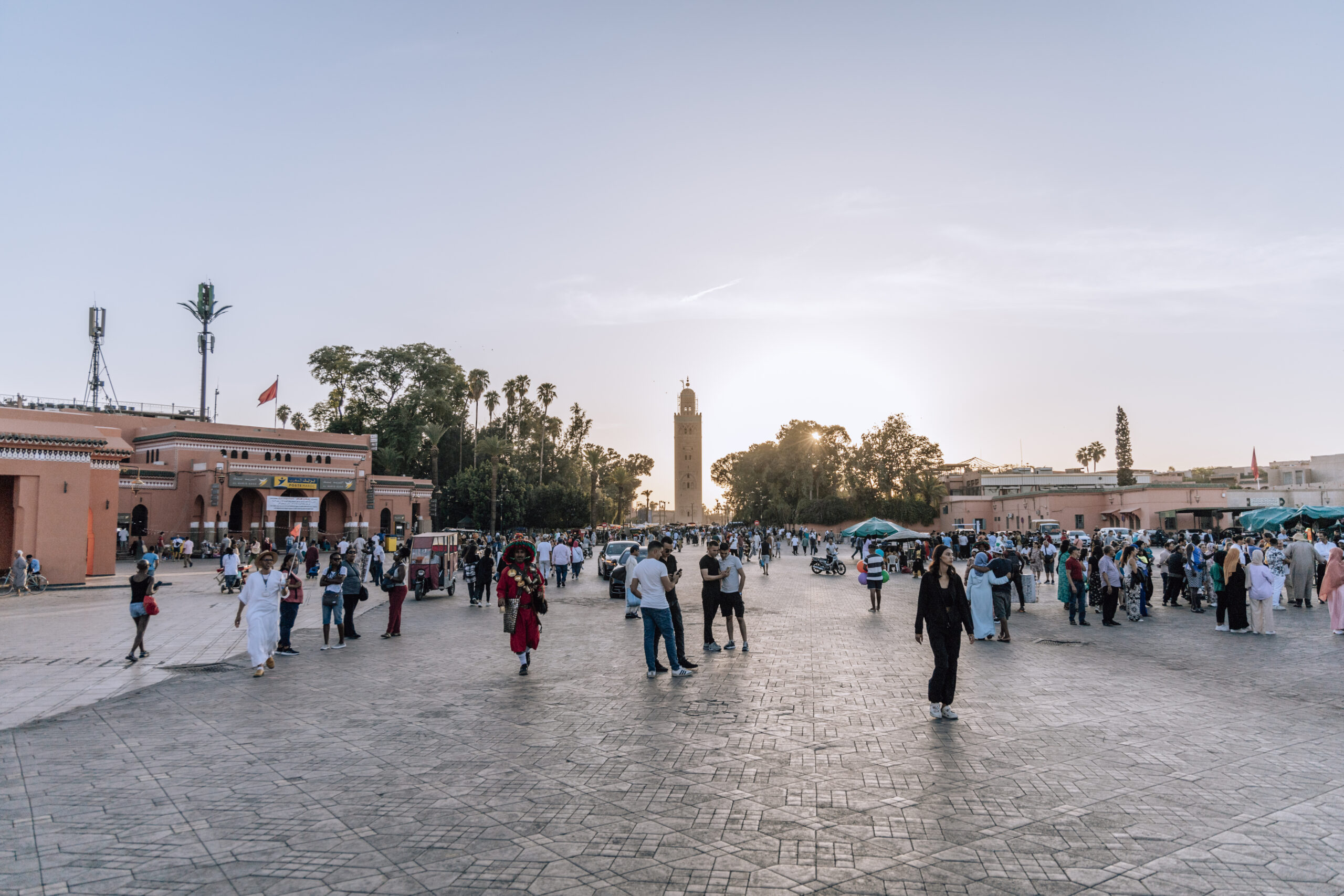
  • Pickpocketing in crowded souks and around major squares like Jemaa el-Fnaa in Marrakech
  • Overcharging by unofficial guides or vendors who approach tourists directly
  • Fake guide scams, where someone offers “help” finding a riad or shop, then demands payment or leads you to a commission-paying store
  • Taxi fare disputes, especially when meters aren’t used or agreed upon in advance

None of these put your safety at risk in a serious way, they’re annoyances that cost you money or time, and every one of them is avoidable with a bit of preparation or, more reliably, a licensed local guide who knows exactly which interactions to wave off before you even notice them.

Morocco City by City: How Safety Varies by Destination

Morocco is a large, geographically diverse country, and safety isn’t uniform across it. Here’s a quick regional breakdown:

  • Marrakech: The most visited city in the country, with a dedicated tourist police force (the Brigade Touristique) patrolling the medina and major squares. Extremely safe by day; stick to well-lit, populated streets at night.
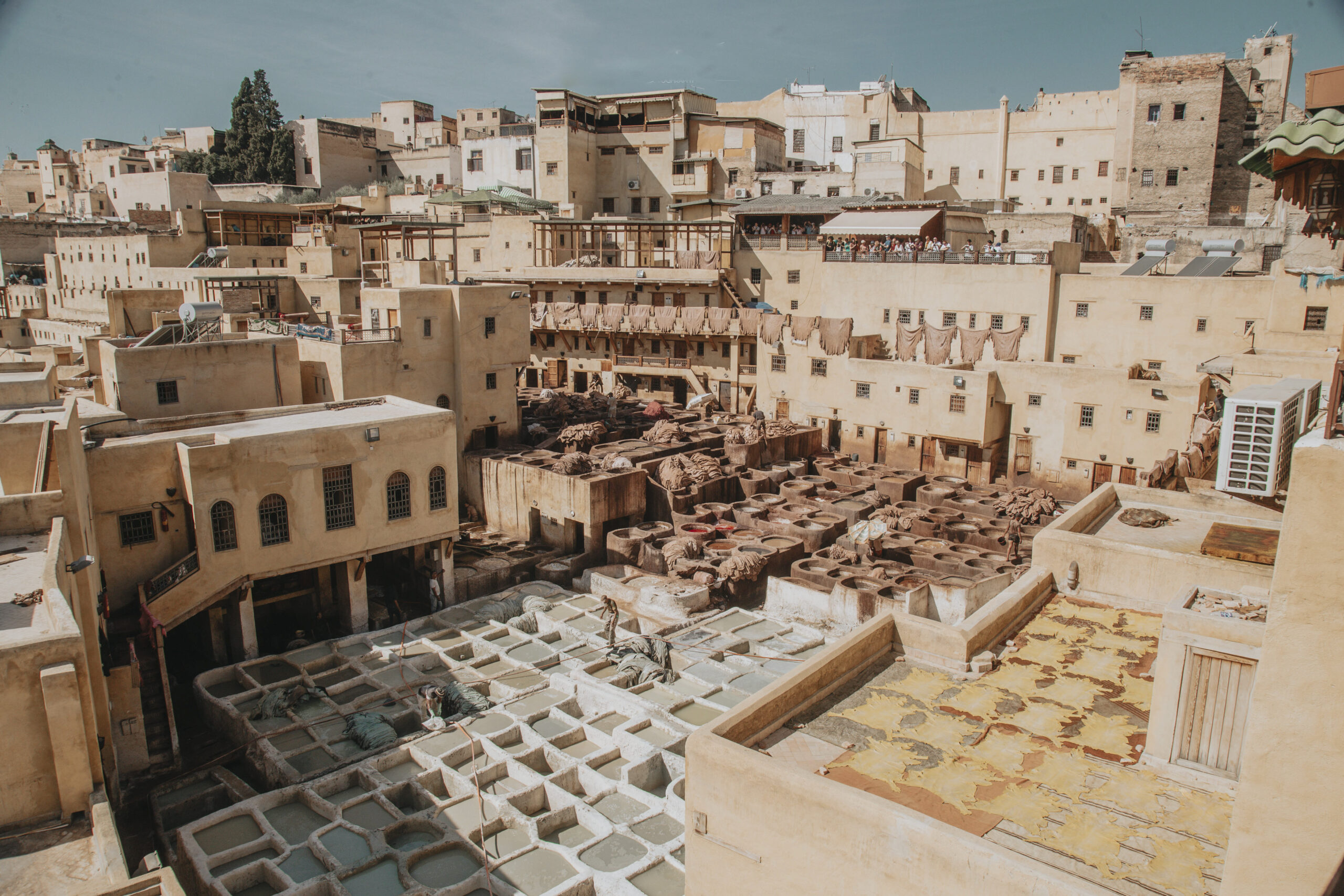
  • Fes: The medina is enormous and can feel disorienting to first-time visitors, which makes it the top spot for the “fake guide” scam. A licensed guide here isn’t a luxury, it’s practical.
  • Chefchaouen: The famous blue city is relaxed, walkable, and considered one of the lowest-risk destinations in the country.
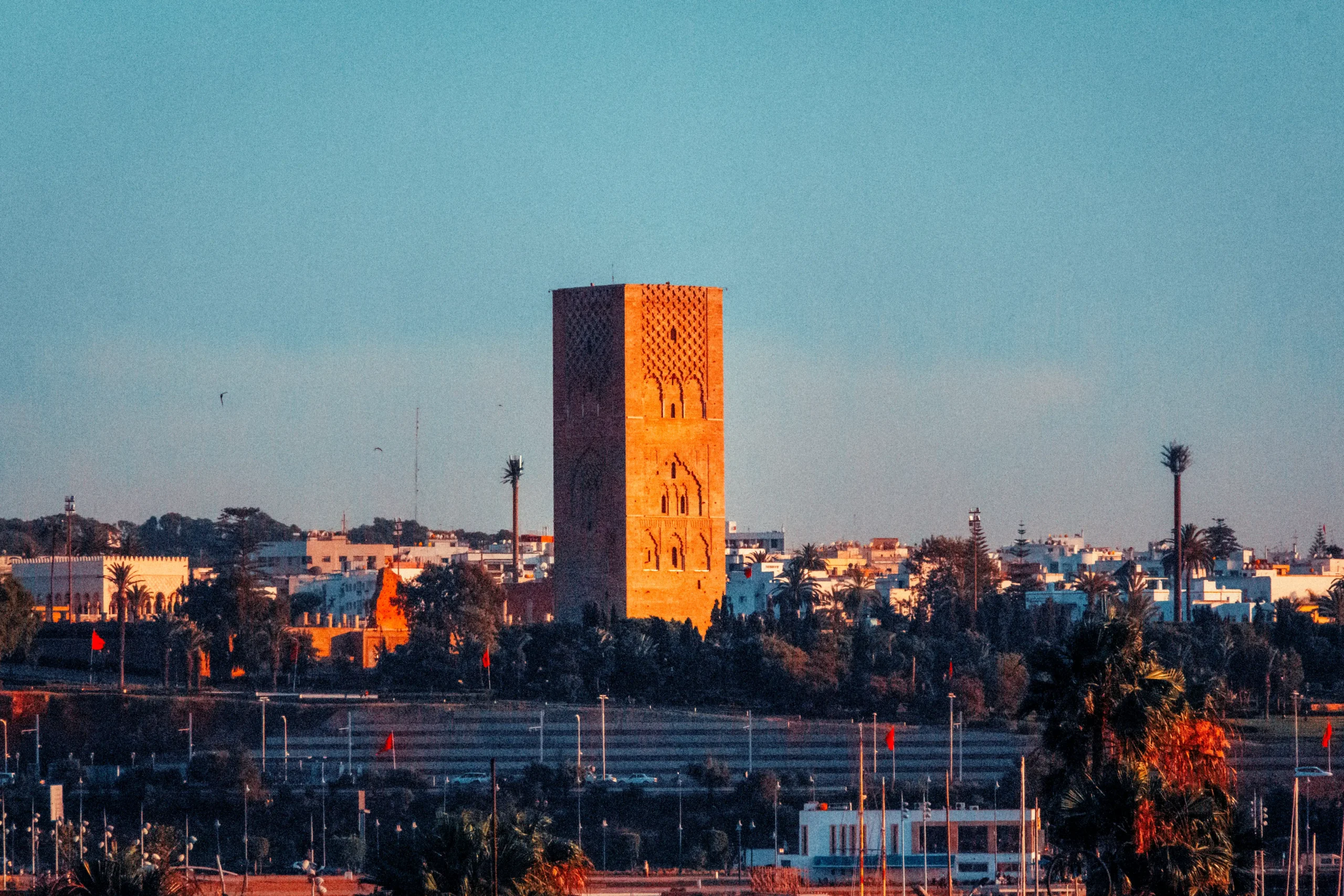
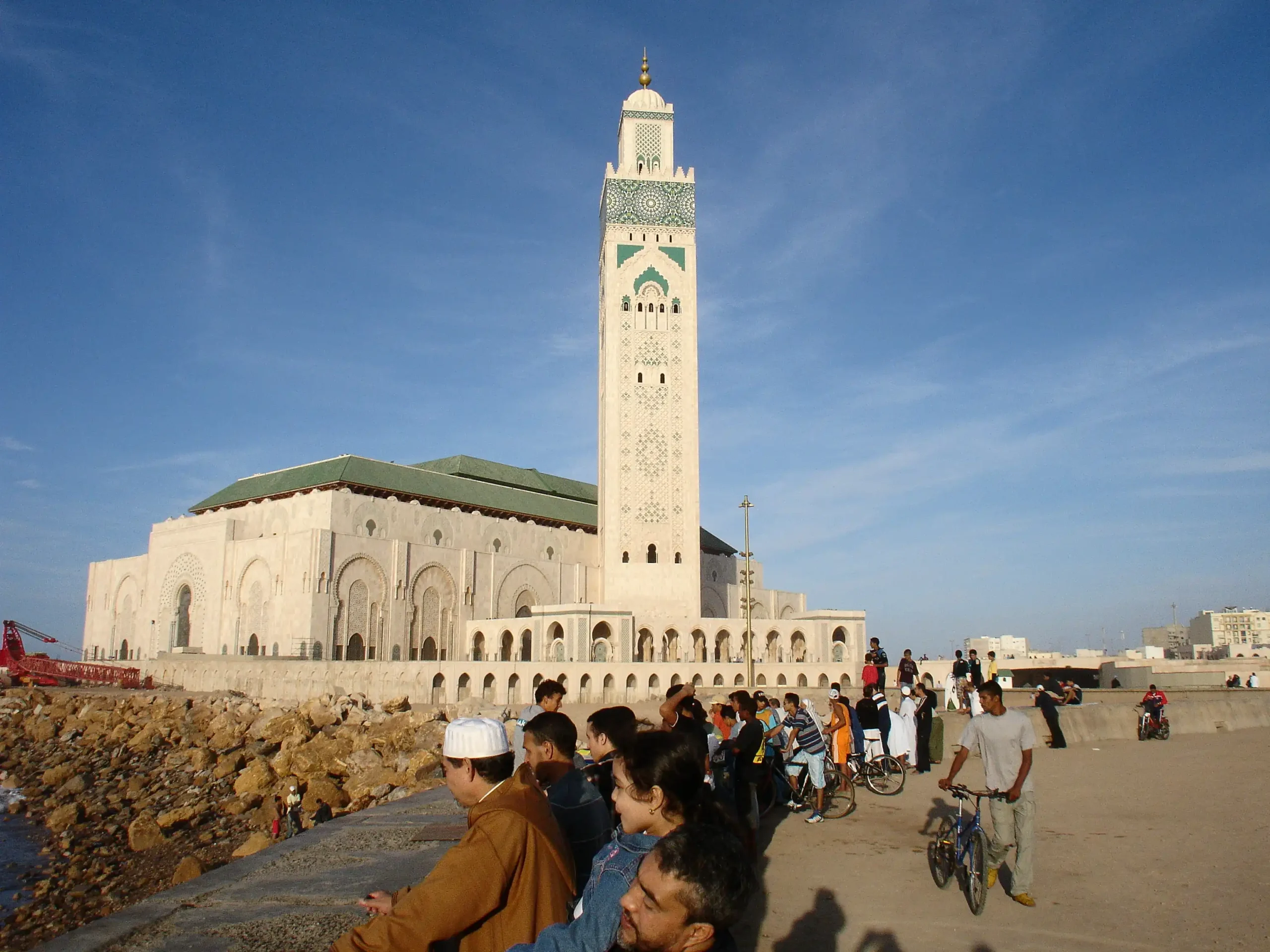
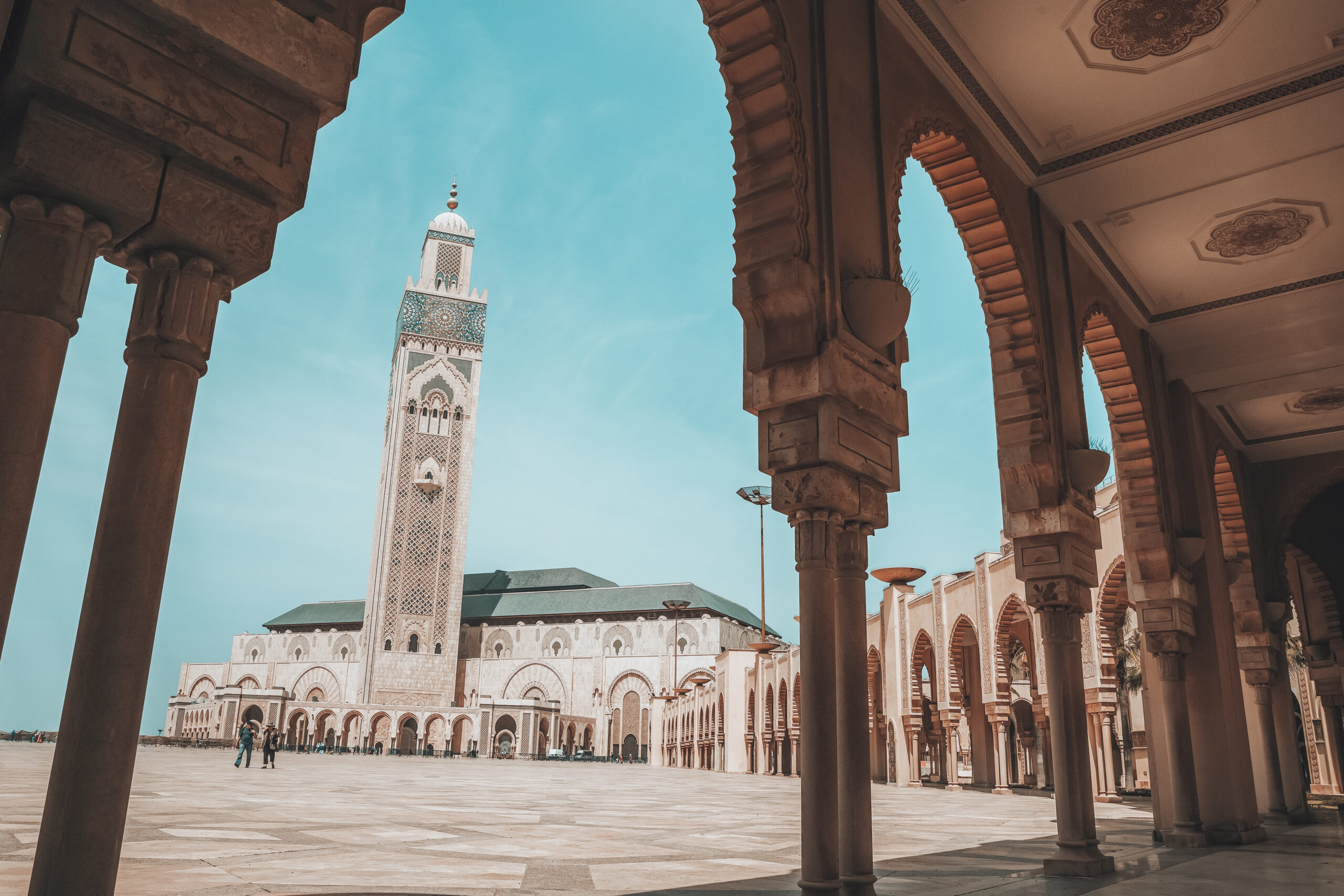
  • Casablanca and Rabat: Modern, cosmopolitan cities with standard big-city precautions.
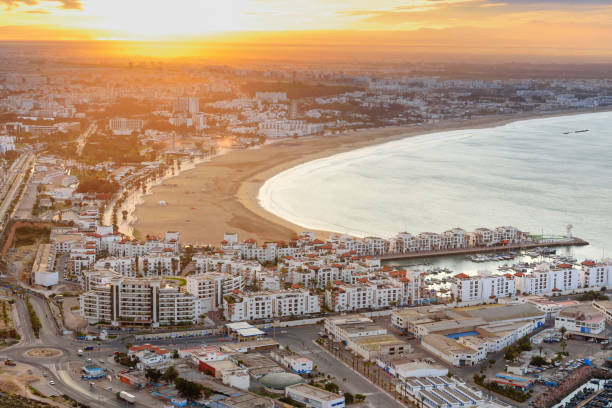
  • Essaouira and Agadir: Coastal towns with a laid-back atmosphere and strong tourism infrastructure.
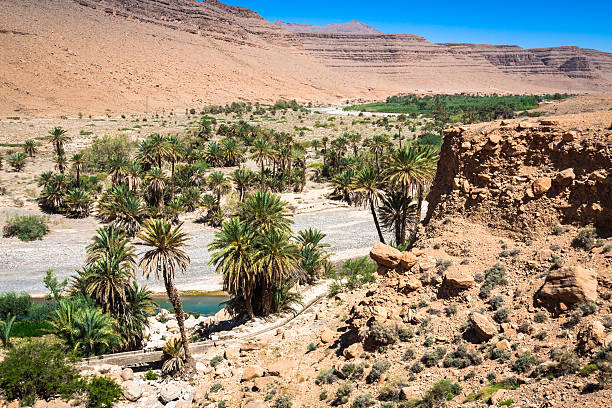
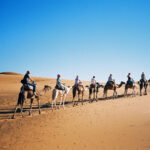
  • The Sahara Desert and Atlas Mountains: Safe when visited through an established tour operator with experienced drivers, since the real risks here are logistical (winding mountain roads, seasonal weather) rather than criminal.

Is Morocco Safe for Solo Female Travelers?

This is one of the most searched safety questions about Morocco, and it deserves an honest answer rather than a dismissive one. Solo female travelers visit Morocco successfully every single day, but the experience does come with a layer most male travelers don’t think about: frequent, persistent attention and comments in busier tourist areas, particularly in medinas.

It’s rarely dangerous, but it can be exhausting. Dressing modestly, covering shoulders and knees, tends to reduce unwanted attention significantly, and traveling with a private guide removes the guesswork entirely, since a good guide runs interference before an uncomfortable interaction even starts.

Is Morocco Safe for Families?

Yes, and often more so than travelers expect. Moroccan culture places enormous value on children, and family travelers are typically met with warmth rather than indifference. The main considerations for families aren’t safety-related at all, they’re comfort-related: managing food and water hygiene, pacing the sensory intensity of the medinas for younger kids, and building in enough rest between activities.

Health, Water, and Everyday Precautions

  • Stick to bottled or filtered water, especially outside major hotels
  • Street food is part of the experience — choose stalls with high turnover and visible cooking, the same rule that applies anywhere in the world
  • Morocco remains largely a cash economy; carry Moroccan dirhams and avoid displaying large amounts publicly
  • ATMs are widely available and generally reliable in daylight hours within central, populated areas
  • The dirham isn’t convertible outside Morocco, so exchange leftover cash before departure

Why a Private Guided Trip Is the Safest Way to Experience Morocco

Every risk covered in this guide, scams, navigation confusion, overcharging, mountain road logistics, solo travel discomfort, has one common solution: traveling with an experienced private guide who knows the country from the inside.

That’s the entire premise behind how we build our trips. A private itinerary means:

  • A vetted, licensed driver and guide who knows which routes, roads, and neighborhoods to avoid
  • No exposure to unofficial “helpers” or unsolicited guides, since your guide is already with you
  • Flexible pacing so families, solo travelers, and couples can move at a comfortable rhythm
  • Local knowledge of which markets, riads, and restaurants are trustworthy, not just popular

Morocco rewards travelers who explore it with confidence rather than hesitation, and the easiest way to build that confidence is to have someone who’s spent a lifetime in the country walking beside you.

Frequently Asked Questions / Is Morocco Safe For Tourists?

Is it safe to walk around Marrakech at night?

Main tourist areas like Jemaa el-Fnaa and the surrounding souks are well-populated and generally safe in the evening. As with any major city, stick to busier, well-lit streets and avoid wandering into unfamiliar side alleys alone late at night.

Do I need a guide to visit the medinas safely?

You don’t strictly need one, but the medinas in cities like Fes and Marrakech are famously maze-like, and a local guide dramatically reduces both the chance of getting lost and the chance of running into a scam.

Is the Sahara Desert safe to visit?

Yes, when arranged through an established tour operator with experienced desert guides and drivers. Independent overland travel through remote desert routes is where most avoidable risk comes from.

What's the biggest safety mistake tourists make in Morocco?

Accepting unsolicited help from strangers who approach first, whether it’s directions, a “special deal,” or an offer to guide you somewhere. Politely declining and continuing on your way resolves the vast majority of scam attempts before they start.

Is Morocco safer than people assume from headlines?

Generally, yes. Millions of tourists visit every year, including large numbers of solo and family travelers, and the overwhelming majority experience nothing beyond the ordinary precautions you’d take in any well-visited country.

Planning a trip to Morocco and want to experience it without the guesswork? Our private, locally guided tours are built around your pace, your interests, and your peace of mind, from the souks of Marrakech to the dunes of the Sahara. Get in touch to start planning your custom itinerary.