+212 694-574937 contact.advisormorocco@gmail.com

What You Should Know About Moroccan People

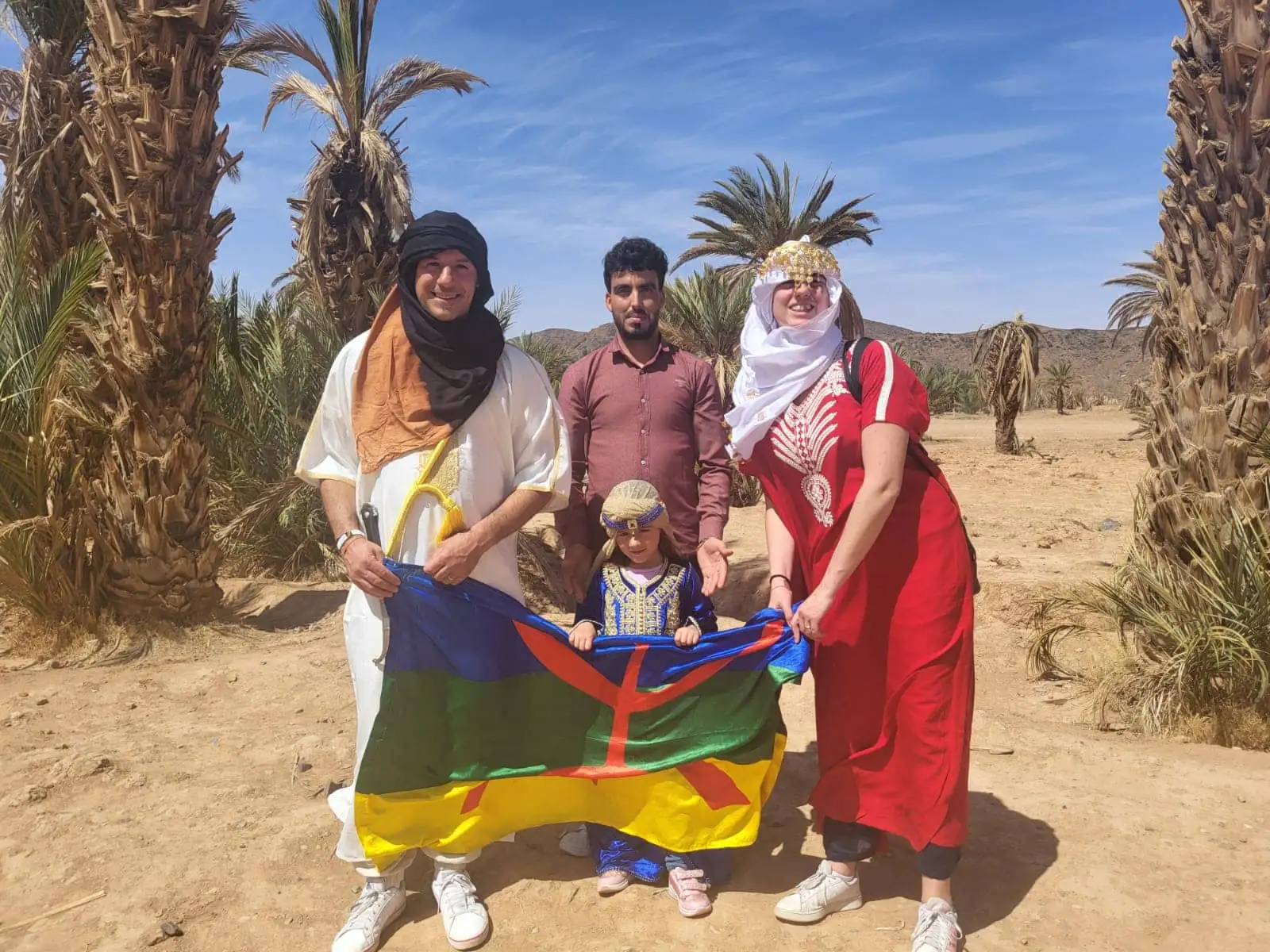
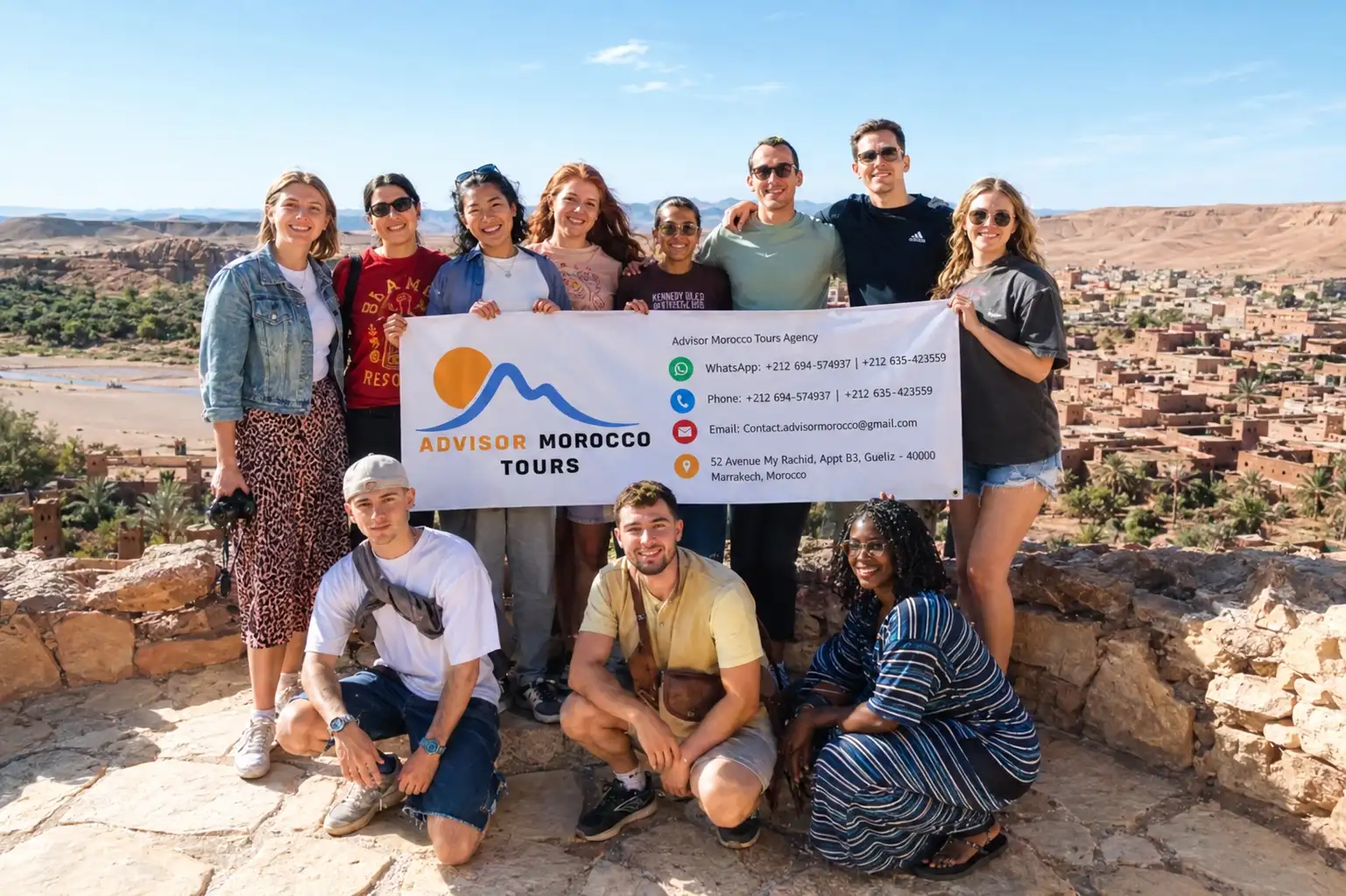
What you should know about Moroccan people: a group in traditional Amazigh clothing holding the Amazigh flag in a palm oasis

What you should know about Moroccan people is that they are warm, welcoming, and proud of their culture. This is one of the main reasons people say Morocco is a great place to travel. The people come from Arab, Amazigh (Berber), and Sahrawi backgrounds. Each group has its own traditions, language, and way of life.

Arabic and Amazigh are the official languages. Many people also speak French, and English is common in big cities and tourist areas. Learning a few words in Darija (Moroccan Arabic) or Amazigh will help you connect with people.

Most Moroccans are Sunni Muslims, and religion is part of daily life. You will hear the call to prayer, see people dressing modestly, and notice how faith shapes greetings, meals, and celebrations. On your trip with Advisor Morocco Tours, you will see this in small everyday moments.

The most memorable part of Moroccan culture is hospitality. Visitors are often invited to share a tagine, couscous, or a glass of sweet mint tea. These simple moments often become the best part of a trip. Morocco also mixes old and new. In the souks, craftsmen sell handmade rugs and pottery, and right next to them you may find shops selling the latest phones.

Morocco's Different Peoples & what you should know about Moroccan people

Morocco has been shaped by many groups over thousands of years. Most Moroccans today are Arab or Amazigh, and many families have both in their history. There is also a smaller Sahrawi community.

Arab culture arrived in the 7th century, along with Islam. You can still see it in the Moroccan Arabic dialect, in the food, and in the Islamic festivals people celebrate.

The Amazigh are the first people of North Africa. They have lived in Morocco for more than 5,000 years. Their music, crafts, and languages are a big part of Moroccan life. You will find many Amazigh communities in the Atlas Mountains and near the Sahara.

The Sahrawi people add another culture to the country. Together, these groups give Morocco its history and its variety, so every region feels a little different.

Language Tips for Travelers

Morocco has more than one language, and you will hear several in a single day. Darija is the language most people speak on the street. Modern Standard Arabic is used in schools, news, and official places. Amazigh languages such as Tamazight, Tashelhit, and Tarifit are spoken by millions of people, mostly in mountain and rural areas. French is still used in business and on many signs. English is becoming more common in Marrakech, Fes, and Casablanca.

A few simple words go a long way on your trip:

  • Salam means hello
  • Shukran means thank you
  • Azul means hello in Amazigh

Simple Etiquette to Follow

  • Greetings: Say “Salaam Alaykum.” The reply is “Wa Alaykum Salaam.”
  • Clothing: Cover your shoulders and knees. Women should carry a scarf for visiting mosques.
  • At the table: Take off your shoes when you enter a home. Wash your hands before eating. Wait until the host says “bismillah,” and eat with your right hand.
  • Mint tea: Tea is a sign of welcome. It is polite to accept a second or even a third glass.
  • Photos: Always ask before taking a photo of a person, a home, or a security officer.

Following these small rules shows respect, and people notice it.

Religion and Daily Life

Almost all Moroccans are Sunni Muslims. The call to prayer is heard five times a day, in cities and in villages.

During Ramadan, people do not eat or drink in public during the day. If you can, join a local family for iftar, the meal after sunset. It is a special way to see the culture up close.

Food is halal, so you will not find pork on most menus, and alcohol is not served in public places. Even so, you will not go hungry. Tagines, couscous, and mint tea are everywhere.

Moroccan Hospitality

Hospitality is at the heart of Moroccan culture. If you are invited into a home, you will usually get mint tea, some friendly conversation, and often a full meal. Saying no too fast can seem rude, so show that you are happy to be there.

Guests should respect the elders, take off their shoes indoors, and, if possible, bring a small gift such as tea or sweets. These small gestures help you build real connections on your trip.

Eating Together

Meals in Morocco are shared. Everyone sits around one big dish and eats from the part closest to them, using the right hand. The meal starts after “bismillah.” This is how families and friends stay close, and it is a big part of any cultural tour in Morocco.

Quick Tips

  • Expect a warm welcome with tea and food
  • Dress modestly and remove your shoes when asked
  • Talk with people and show that you appreciate their kindness

Once you understand these habits, your Morocco itinerary will feel richer.

Best Places to Visit in Morocco

1. Marrakech

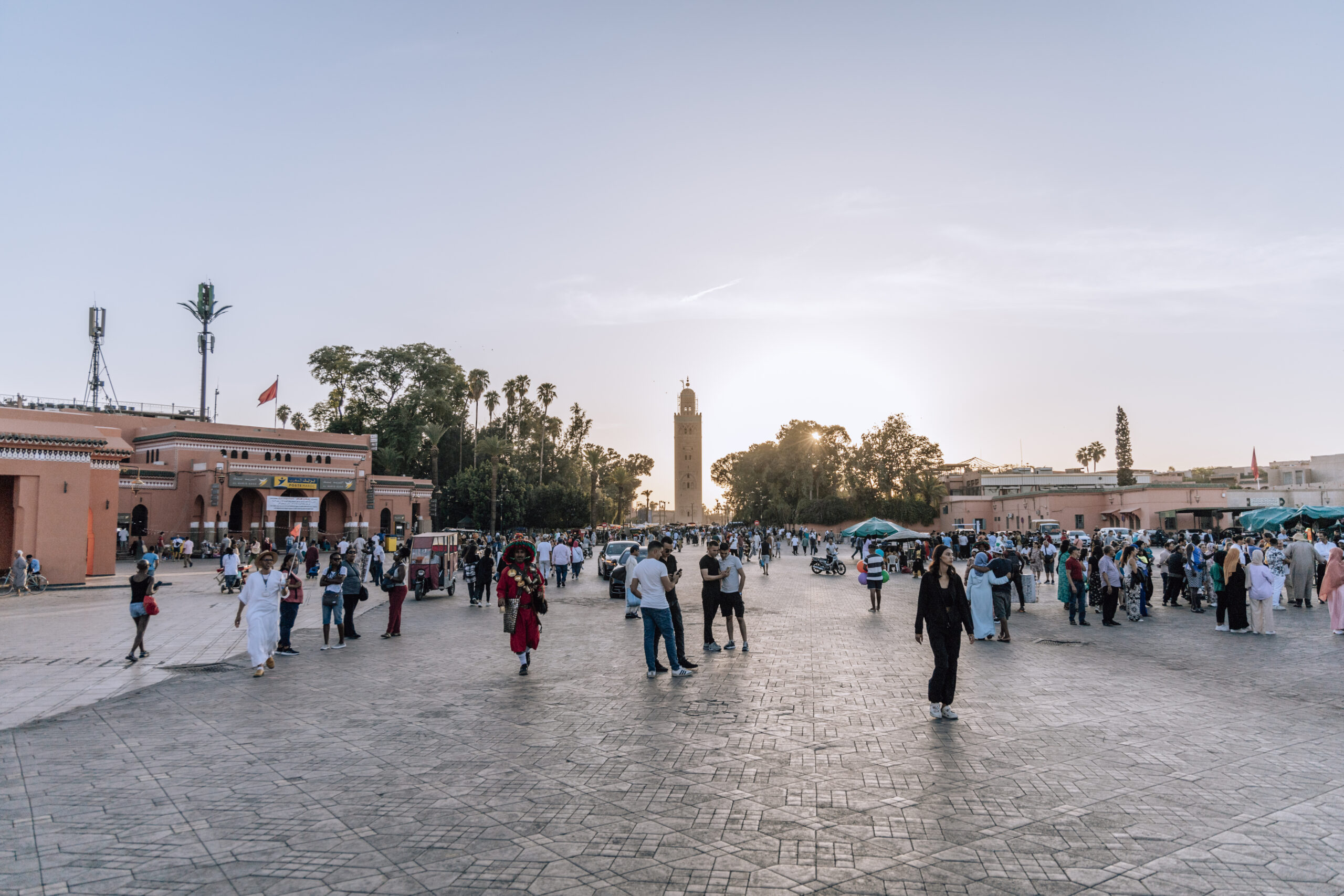
Start at Jemaa el-Fnaa, the famous square filled with storytellers, musicians, and food stalls. Then visit the souks, Bahia Palace, Koutoubia Mosque, and Jardin Majorelle.

2. Chefchaouen, the Blue City

This small town in the Rif Mountains is painted in shades of blue, and it is a favorite for photographers. Walk the quiet streets, drink mint tea in Plaza Uta el-Hammam, and hike up to the Spanish Mosque for a sunset view. Chefchaouen is also a popular stop on a 15-day Morocco tour.

3. Fes

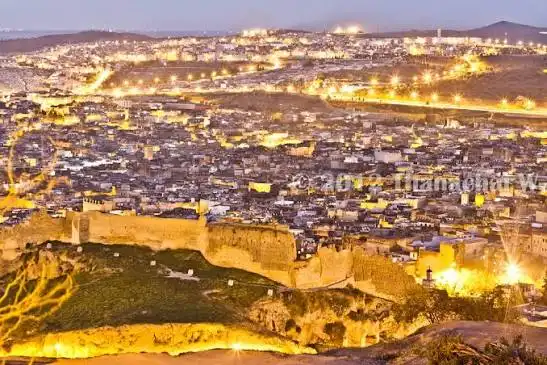
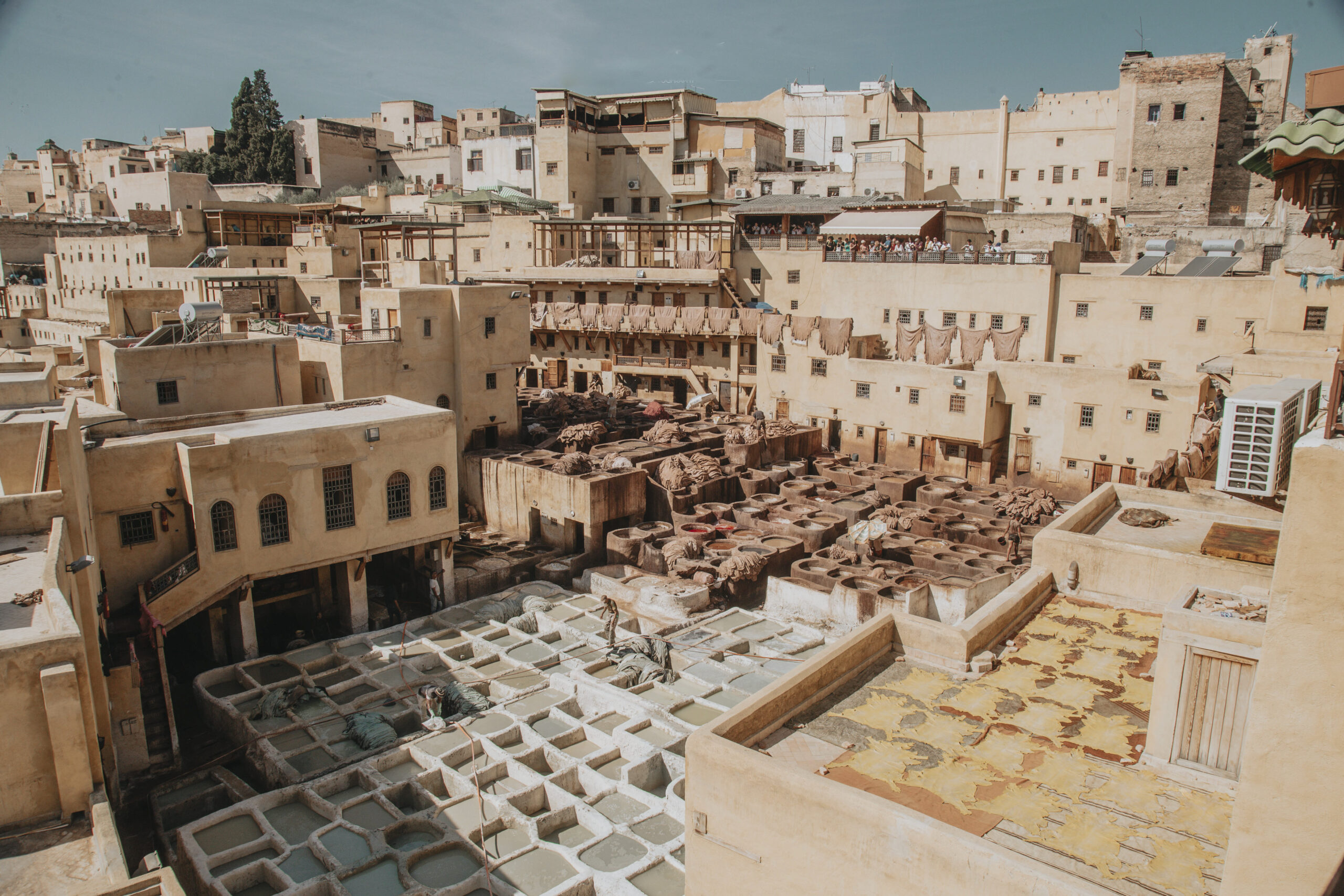
Fes is the cultural and spiritual heart of Morocco. Its old medina, Fes el-Bali, is one of the largest medieval medinas in the world. You can see old madrasas and craft workshops, and Al-Qarawiyyin, often called the oldest university in the world. Don’t miss the Chouara Tanneries, where leather is still dyed by hand.

4. The Sahara Desert: Merzouga and Erg Chebbi

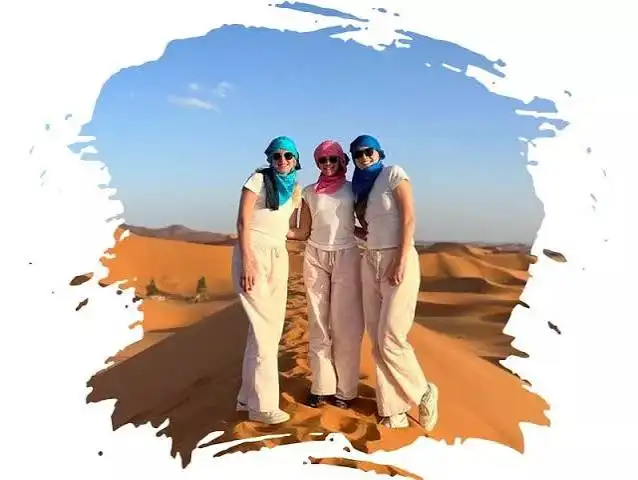
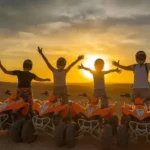
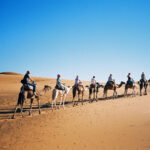
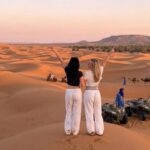
Ride a camel across the golden dunes and sleep in a desert camp under thousands of stars. Watch the sun rise and set over the sand. You can also add a 4×4 ride or try sandboarding.

5. Essaouira

This relaxed coastal town has a UNESCO-listed medina. It is known for fresh seafood, windsurfing, and its artistic feel. Walk along the old ramparts, look at thuya wood crafts, and eat grilled sardines by the port.

6. Ait Ben Haddou and Ouarzazate

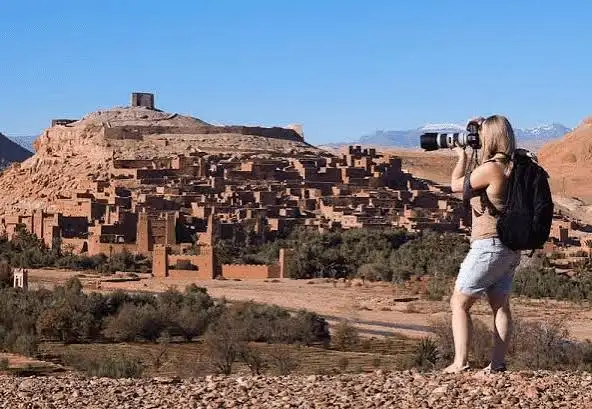
Ait Ben Haddou is a UNESCO World Heritage village made of mud brick. Films like Gladiator and Game of Thrones were shot here. Nearby, Ouarzazate is often called the “Hollywood of Africa.” You can visit Atlas Studios and Kasbah Taourirt.

7. Rabat

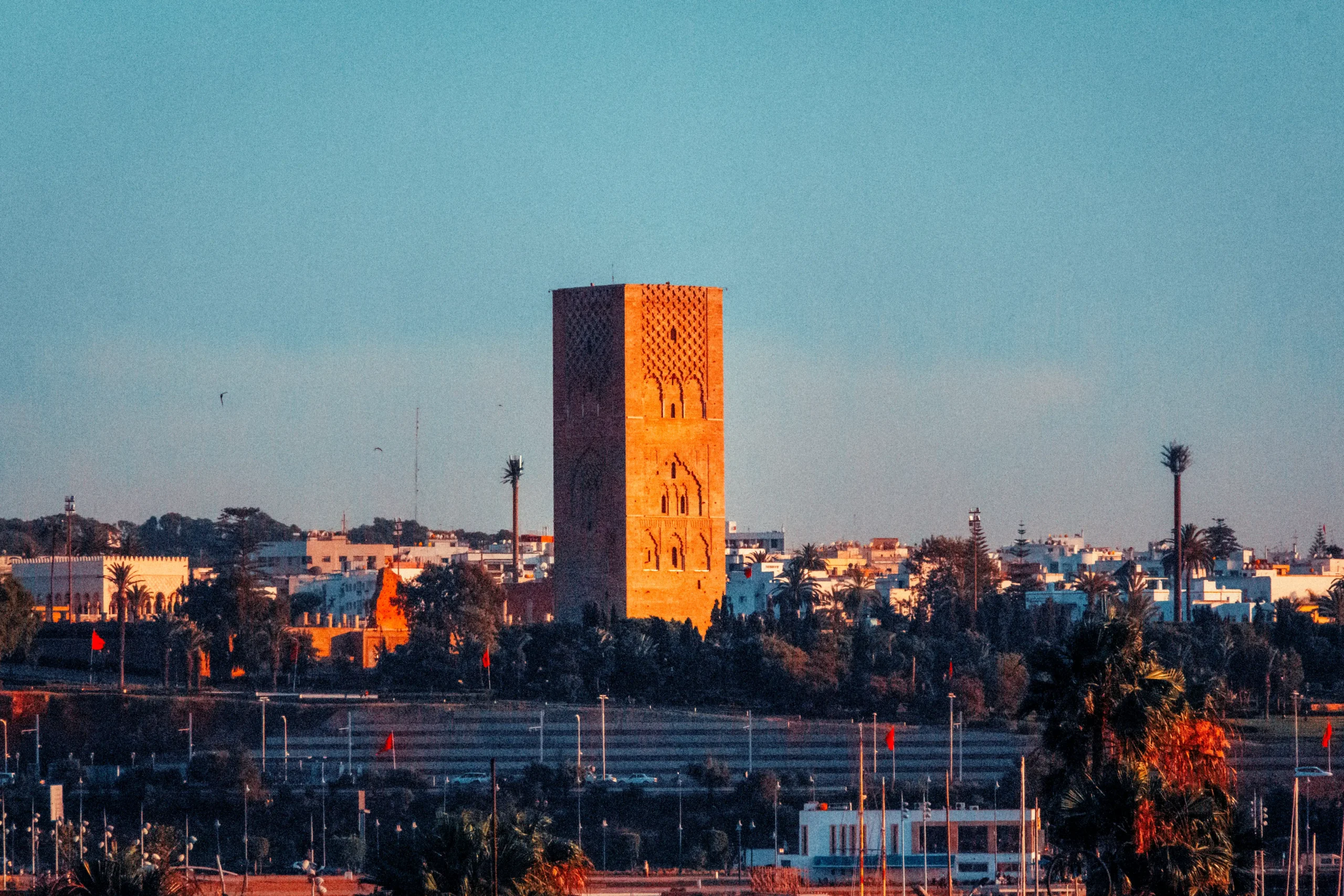
Morocco’s capital is calm and easy to walk around. See the Kasbah of the Udayas, the 12th-century Hassan Tower, and the quiet gardens.

8. Tangier

This port city sits where Africa and Europe meet. You will find a lovely medina, the Kasbah, the Grand Socco, and the Caves of Hercules.

9. The Atlas Mountains and Gorges

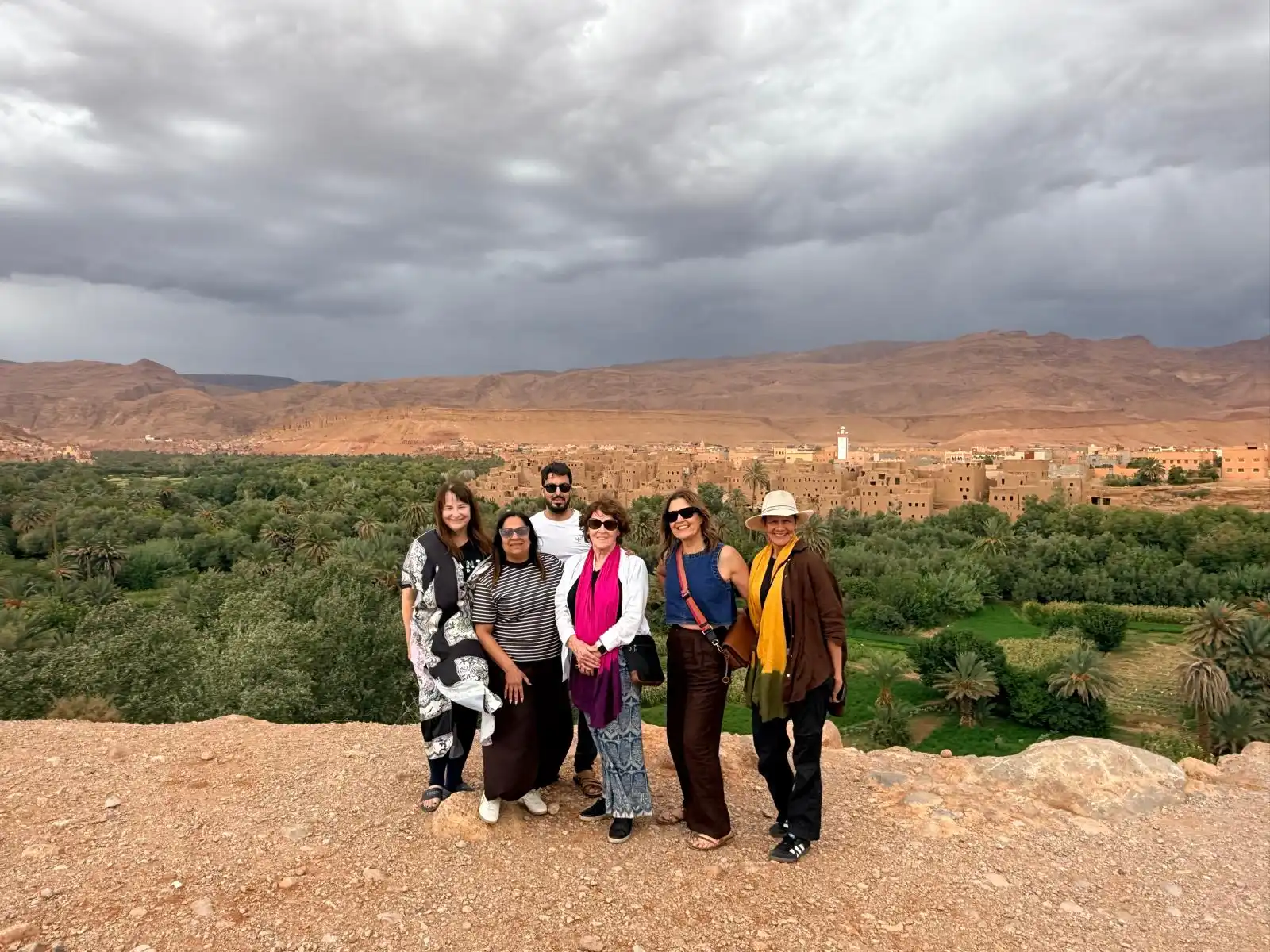
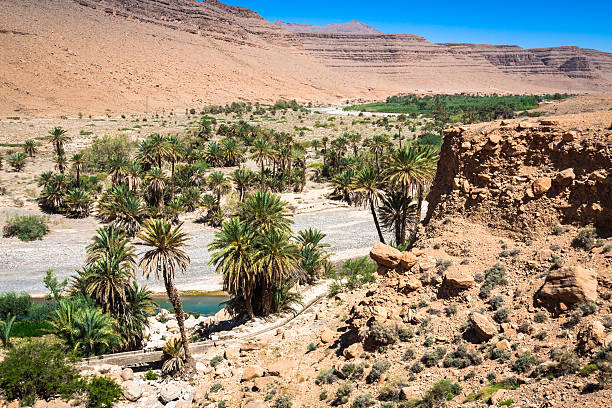
The Atlas is a great area for hiking and meeting local villagers. Trek near Imlil toward Mount Toubkal, visit the Ourika Valley, or see the deep gorges of Dades and Todgha. Many of the best Morocco tours include a stop here.

10. Agadir and Taghazout

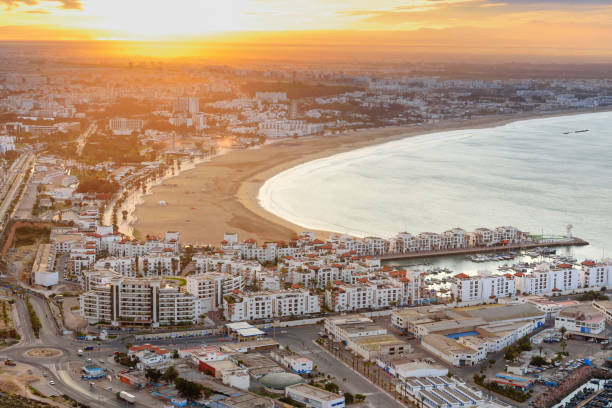
This coast is known for sunshine, beaches, golf, and water sports. It is a good place to rest or try surfing.

How to Plan Your Morocco Itinerary

  • Mix cities and nature. A good trip can include Marrakech, one night in the desert, and a hike in the Atlas Mountains.
  • Try different experiences. Add a Sahara trek, a day in Essaouira, and a stop in Chefchaouen.
  • Choose the right season. The best time to visit Morocco is spring (March to May) or autumn (September to November), when the weather is mild.

Ready to Visit Morocco?

Morocco is special because of its people, its landscapes, and its warm welcome. From a glass of mint tea to a shared tagine dinner, every day on a trip with Advisor Morocco Tours shows you a real side of Moroccan life.

Ready to book? Contact Advisor Morocco Tours. They offer custom itineraries, 24/7 support, and great value, so you can enjoy the best Morocco travel experience.

Recent Posts

Choose Your Language.