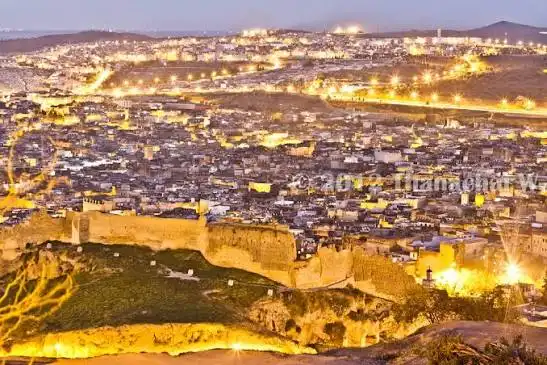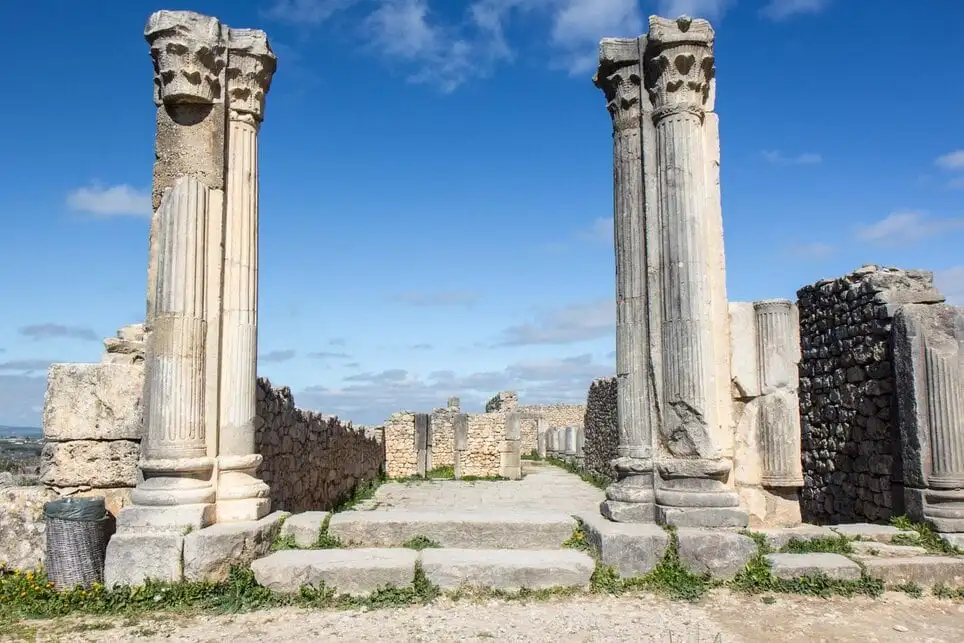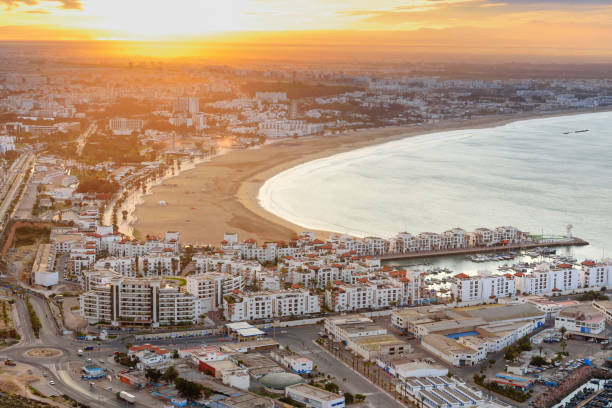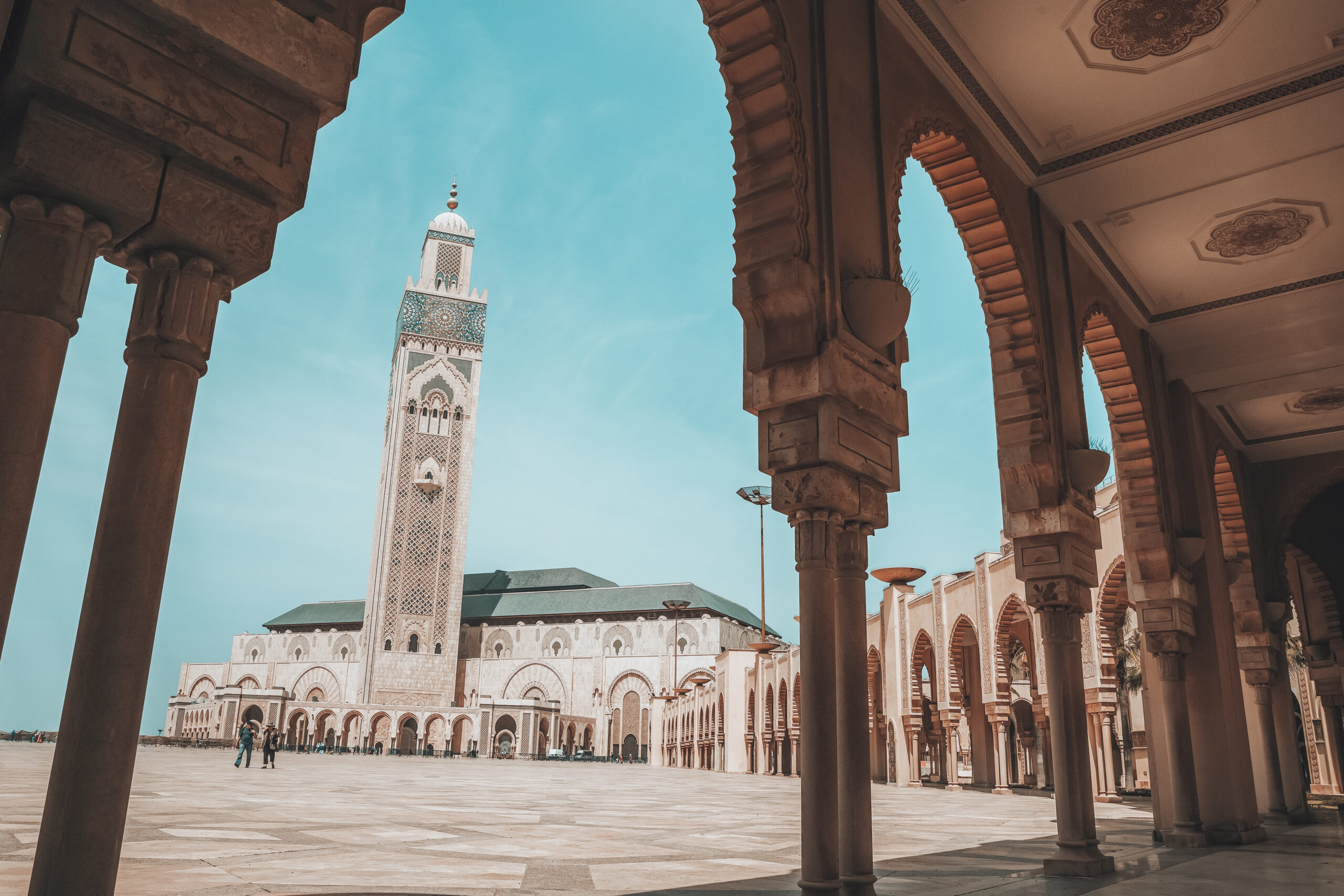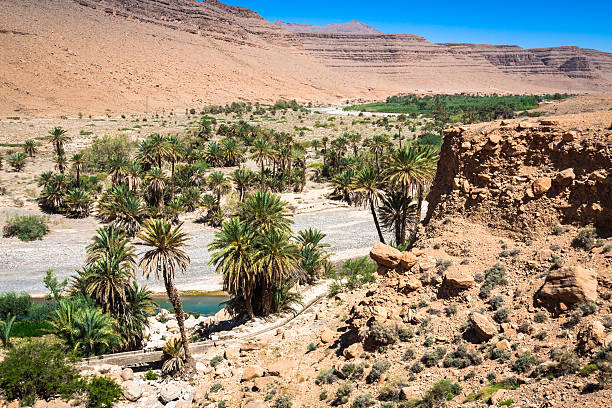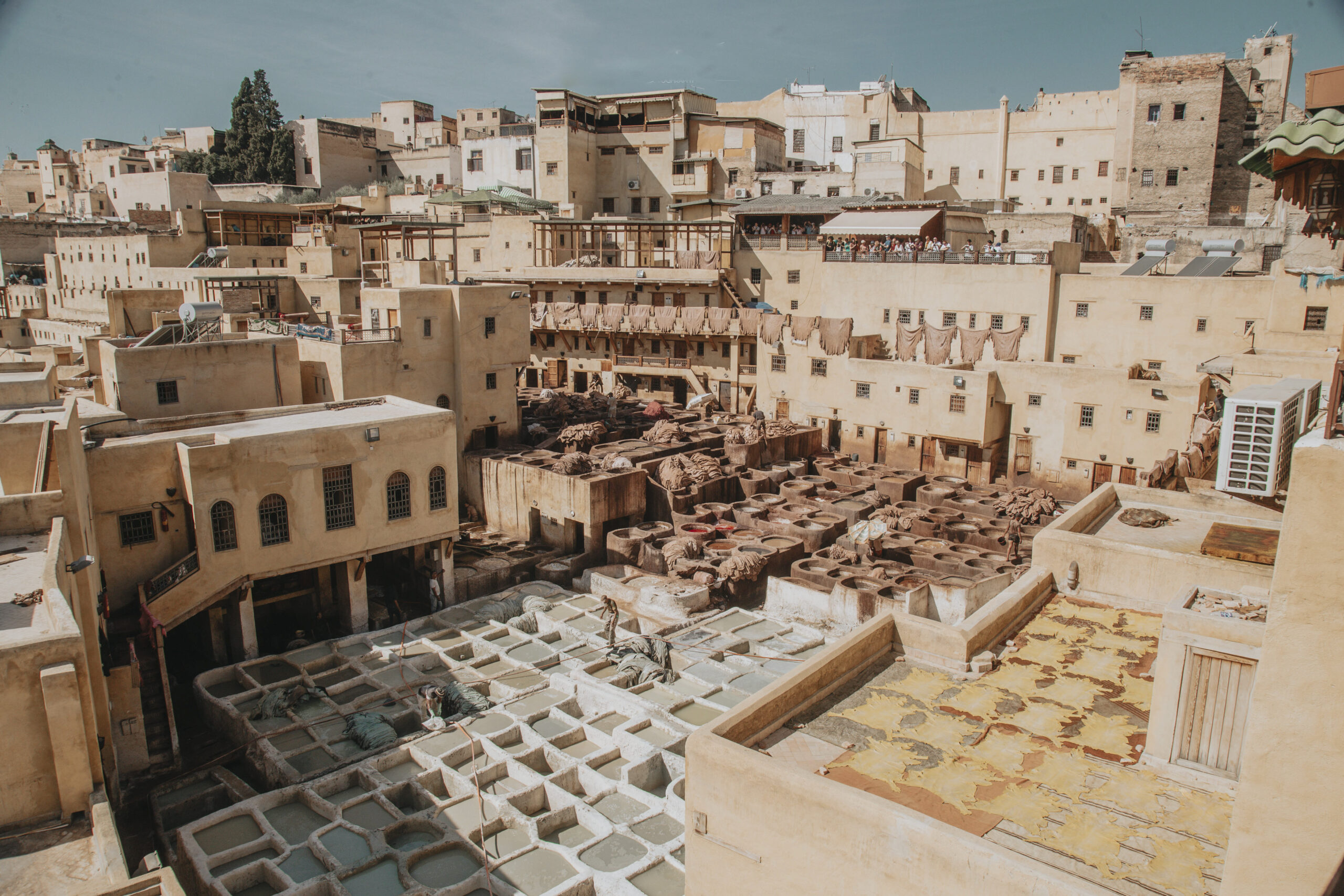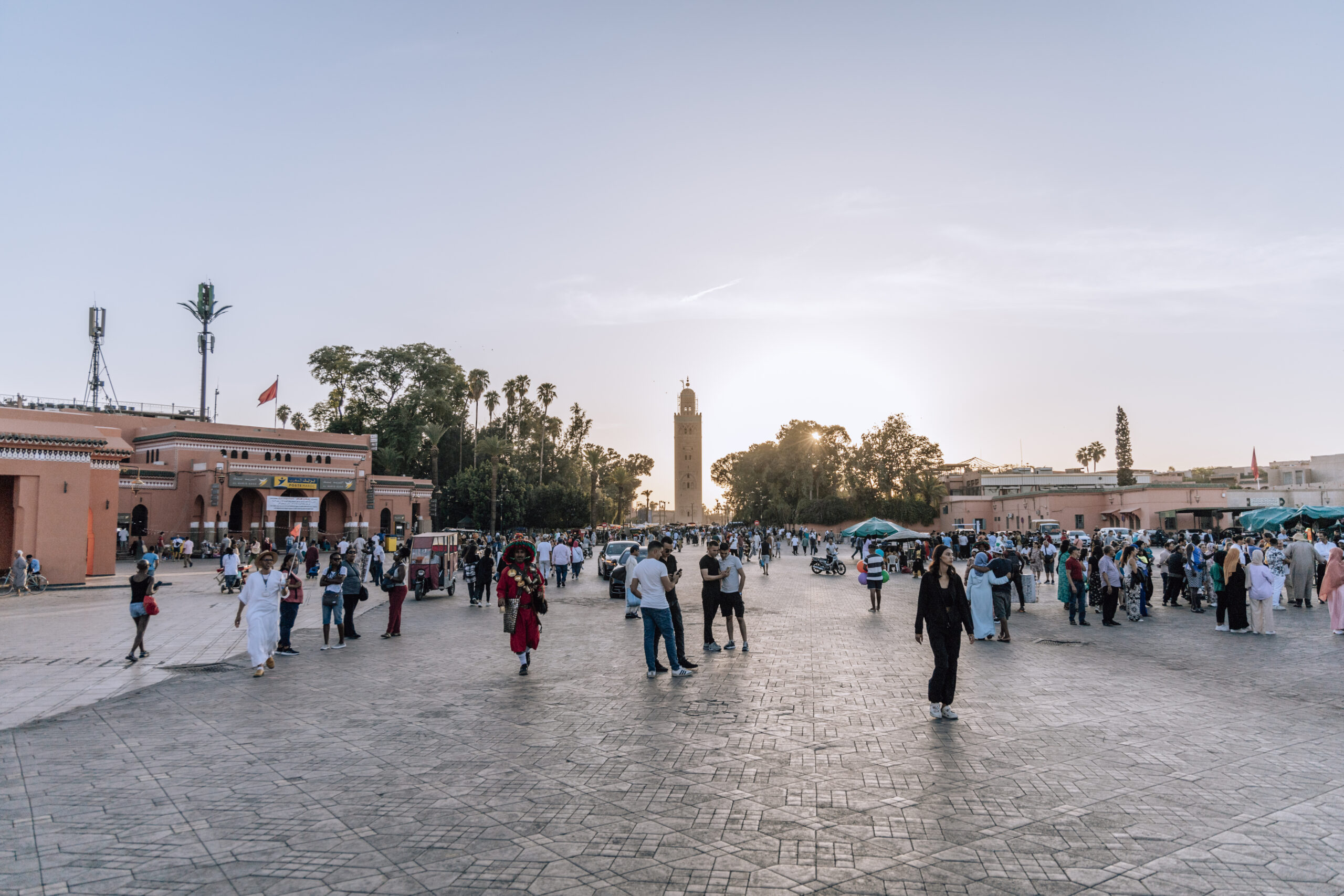
There’s something almost poetic about the contrast: leaving the grey skies and crisp air of Warsaw or Kraków, and landing four hours later under the burnt-orange light of Marrakech, with the Atlas Mountains on the horizon and the Sahara waiting just beyond them. Morocco from Poland has become one of the fastest-growing winter and shoulder-season trips for Polish travelers, and for good reason. It’s close, it’s visa-free, it’s affordable, and it packs mountains, desert, ocean, and centuries of history into one country.
This guide covers everything a Polish traveler searches for before booking: flights from Poland to Morocco, whether Polish citizens need a visa, the best time to visit Morocco from Poland, and, the main event, how to plan a Sahara Desert trip from Marrakech.
Poland and Morocco sit in almost opposite climate worlds, which is exactly the appeal. While Warsaw is wrapped in fog and single-digit temperatures from November to March, Marrakech is basking in 18–22°C sunshine. It’s a genuine “escape the Polish winter” destination, closer than the Canary Islands for many travelers, and considerably cheaper than a long-haul trip to Southeast Asia or the Caribbean.
Beyond the weather, Morocco offers a density of experience that’s hard to match: imperial cities with UNESCO-listed medinas, the High Atlas Mountains, Atlantic surf towns, Roman ruins, and, the highlight for most first-timers, the Sahara Desert.
This is usually the first thing people search before planning a trip, so here’s the current picture.
LOT Polish Airlines now flies direct between Warsaw and Marrakech a couple of times a week, departing from Warsaw Chopin Airport, with the journey taking roughly four and a half hours. Wizz Air also connects Warsaw with Marrakech at budget-friendly fares, and Ryanair operates on this route too. From Kraków, Ryanair runs a direct weekly flight to Marrakech, taking around four and a half hours as well.
On price, a round-trip fare from Warsaw to Marrakech averages somewhere around 700 to 800 US dollars, but budget carriers and early booking can bring that down significantly, deals as low as the equivalent of a domestic Polish train ticket do show up if you book early and stay flexible on dates. LOT’s Warsaw–Morocco route runs seasonally, mainly from autumn through spring, which conveniently overlaps with the best weather window for a desert trip.
If you’re not flying direct, connecting through Madrid, Paris, or Casablanca is common but adds several hours to the journey.
A practical tip: book two to three months ahead for the best fares, especially around Polish school holidays in January/February and around Easter, when demand from Poland spikes.
The answer is straightforward and good news: no visa is required. Polish passport holders can enter Morocco visa-free for stays of up to 90 days, as long as the passport remains valid for at least six months beyond the intended stay. It’s also worth being ready to show proof of onward or return travel if asked at the border.
A few things worth arranging before you fly:
Travel insurance covering at least 30,000 euros for medical emergencies, evacuation, and repatriation is strongly recommended, since Polish NFZ insurance doesn’t cover you abroad in Morocco. Passport validity is checked at check-in, not just on arrival, so don’t cut it close. No vaccinations are mandatory for travelers coming from Poland.
Timing genuinely matters, especially if a Sahara trip is part of the plan.
November through March is best for escaping the Polish winter, coastal cities and Marrakech stay mild and sunny by day, though desert nights can drop close to freezing, so pack layers. March through May is widely considered the best all-round season: warm but not scorching, with wildflowers in the Atlas foothills and comfortable desert temperatures. June through August gets very hot inland and in the desert, well above 40°C, but it’s a great window for the Atlantic coast around Essaouira and Agadir if you want sun without desert heat. September through November offers a second sweet spot, with warm days, cooler nights, and fewer crowds.
This is the part most travelers are really planning around, so here’s the breakdown.
Merzouga (Erg Chebbi) is known for its towering sand dunes, among the largest in Morocco, and sits closer to the Todra Gorge and Dades Valley. This is the classic postcard Sahara, but it’s a longer drive from Marrakech.
Zagora is closer to Marrakech, making it better suited to shorter trips, with landscapes that include palm groves as well as sand dunes, plus the famous “Welcome to the Sahara” sign that’s become an essential photo stop.
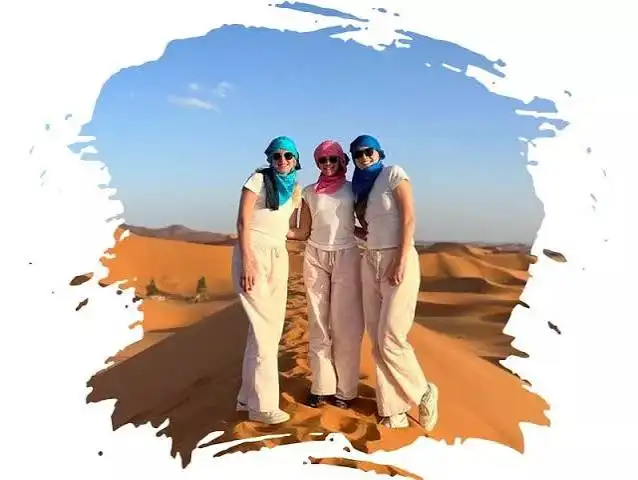
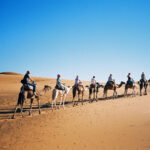
A two-day, one-night trip on the Zagora route is the fastest way to genuinely stand in the Sahara. It crosses the Atlas Mountains, stops at the UNESCO-listed kasbah of Ait Ben Haddou, includes a camel ride into the dunes at sunset, an overnight stay in a desert camp, and a return to Marrakech the next day.
A three-day, two-night trip on the Merzouga route is the most popular option. It drives through the Atlas Mountains, visits Ait Ben Haddou, includes camel rides at both sunset and sunrise, and spends a night camping in the desert before heading back to Marrakech.
Longer trips of four days or more suit travelers who want more depth, these can include the more remote dunes of Erg Chigaga, extra nights in the Dades and Todra gorges, and stops in Berber villages, or continue onward to Fes instead of looping back to Marrakech.
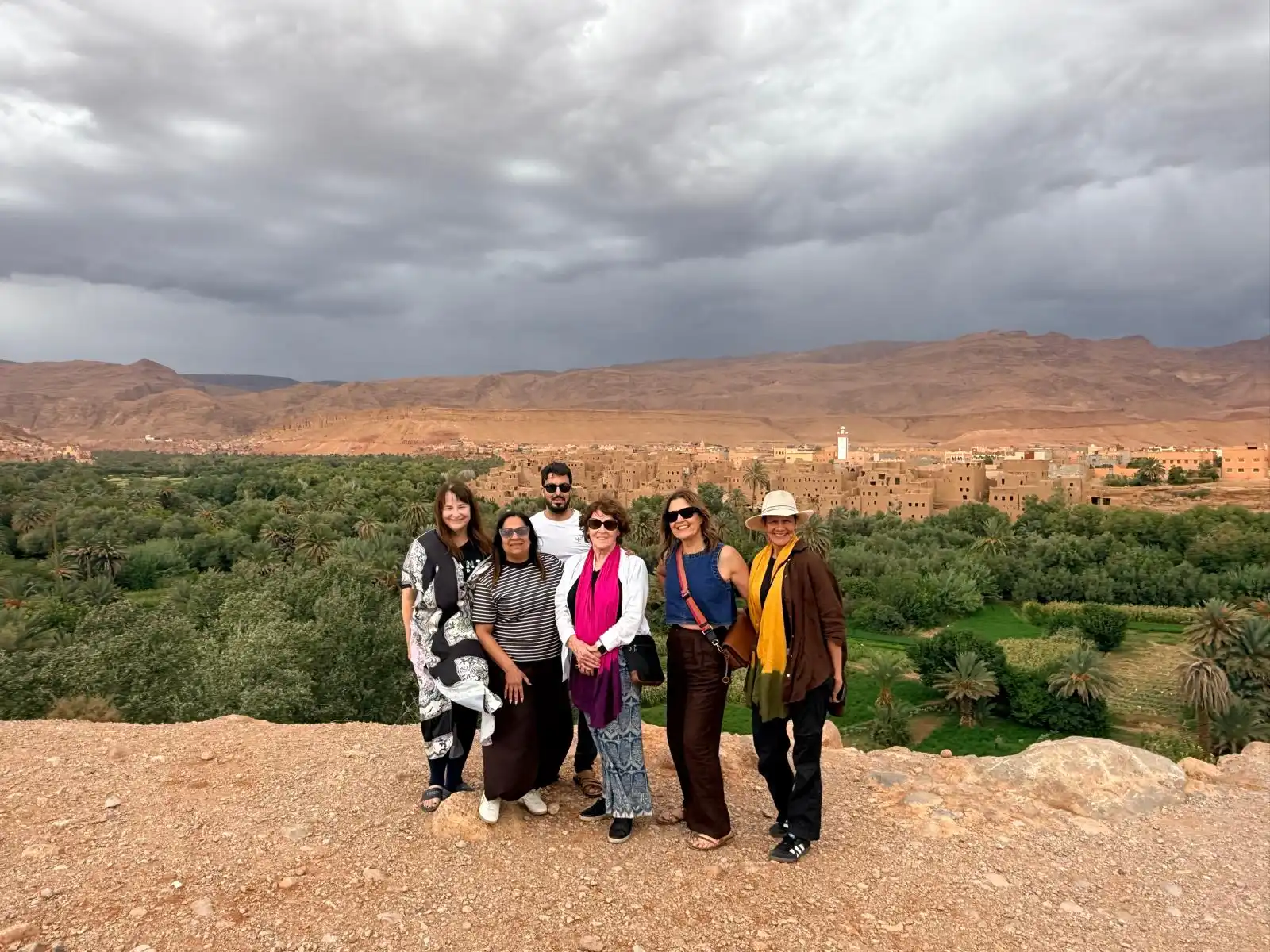
Most tours include hotel pickup in Marrakech, transport in an air-conditioned 4×4 or minivan, an overnight desert camp stay (traditional or a more luxury, glamping-style setup), a camel trek at sunset and/or sunrise, and most meals. Longer routes often include a hotel stay in a town like Tinghir along the way to the desert camp itself.
Camps range from simple shared tents to genuinely luxurious setups with real beds, private bathrooms, and hot showers. Higher-comfort options pair private 4×4 travel with upgraded desert camp accommodation, en-suite tents, and unhurried time to take in the sunrise and sunset, worth considering if a long driving day followed by “roughing it” isn’t your idea of a holiday.
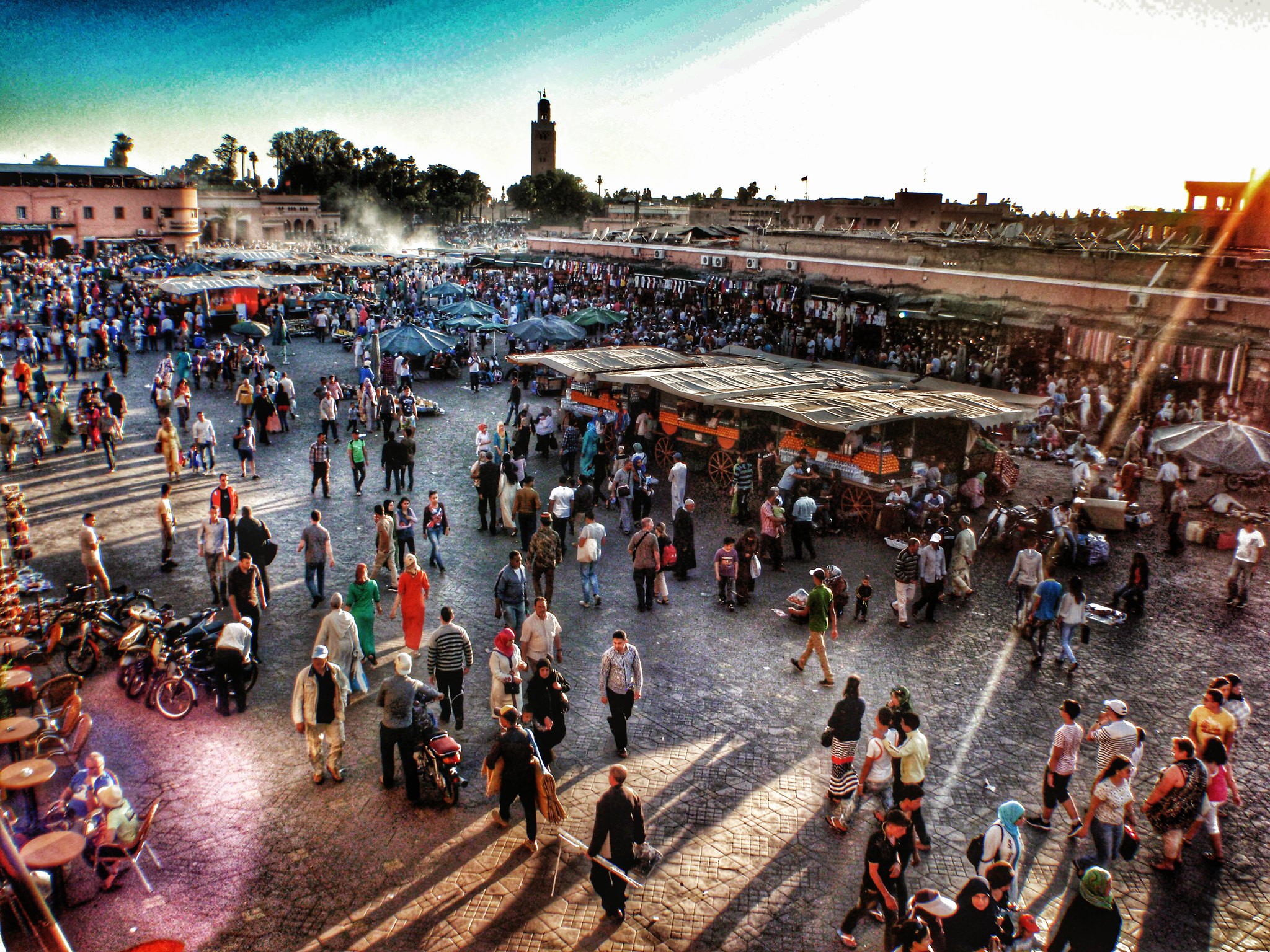
Day one: fly into Marrakech, settle into a riad, wander Jemaa el-Fnaa and the souks.
Day two: explore Marrakech, Bahia Palace, Majorelle Garden, Koutoubia Mosque.
Days three to five: Sahara Desert tour on the Merzouga route via Ait Ben Haddou and the Dades Valley.
Day six: return to Marrakech, rest day or an Atlas Mountains day trip.
Days seven and eight: an optional coastal add-on to Essaouira, or fly home.
Flights typically run roughly 250 to 1,000 złoty one-way, depending on how far ahead you book and which carrier you fly. A comfortable mid-range riad in Marrakech runs around 150 to 400 złoty a night. A three-day, two-night Sahara group tour typically costs 150 to 350 US dollars per person, with private and luxury options costing more. Food is inexpensive throughout, street food and local restaurants are affordable, and a full tagine meal can cost as little as 30 to 50 złoty.
Morocco is one of the more visited and tourism-ready countries in North Africa, with well-established infrastructure for foreign visitors, especially around Marrakech, Fes, and the main desert routes.
The average flight time from Warsaw to Marrakech is a little over four hours, with similar timing from Kraków.
Not realistically, Merzouga and Zagora are both several hours’ drive away, so an overnight stay of at least two days and one night is the shortest practical way to actually experience the dunes.
Moroccan dirham isn’t easily exchanged in Poland, so it’s best to withdraw from ATMs or exchange money on arrival in Morocco.
Both work well, tours from Marrakech typically route through Zagora or Merzouga via Ait Ben Haddou, while tours from Fes usually head to Merzouga through the Middle Atlas, making Fes a good starting point if your trip continues northward afterward.
For Polish travelers looking for maximum contrast, culture, and adventure without a marathon flight, Morocco is genuinely hard to beat, and a Sahara Desert trip turns a good holiday into an unforgettable one. With direct flights now connecting Warsaw to Marrakech and zero visa hassle for Polish passport holders, the only real planning decision left is how many days you can spare, and whether you want your Sahara sunrise to come with a luxury tent or a classic Berber camp under the stars.
Planning your trip to Morocco? Advisor Morocco Tours can help you build the perfect itinerary, from Marrakech city breaks to fully guided Sahara Desert