+212 694-574937 contact.advisormorocco@gmail.com

Ait Ben Haddou Kasbah: The Complete Guide to Morocco’s Most Famous Fortified Village

Few places in Morocco capture the imagination quite like Ait Ben Haddou Kasbah. Rising out of the earth in shades of ochre and clay along the old caravan route between the Sahara and Marrakech, this fortified village looks less like a real place and more like a film set, which, as it happens, it very often is. If you’ve ever seen a desert epic on screen, there’s a good chance you’ve already seen Ait Ben Haddou Kasbah without knowing its name.

For travelers planning a trip through southern Morocco, Ait Ben Haddou Kasbah isn’t a detour, it’s one of the essential stops on the road between Marrakech and the Sahara Desert, and one of the most photographed sites in the entire country. This guide covers everything worth knowing before you go: the history behind the walls, why filmmakers keep coming back, practical tips for visiting, and which desert tours already include a stop here.

What Is Ait Ben Haddou Kasbah?

Ait Ben Haddou Kasbah is a ksar, a fortified village built from rammed earth and clay brick, a construction style native to the pre-Saharan regions of Morocco. Perched on a hillside above the Ounila River, the kasbah is actually a cluster of earthen buildings enclosed by defensive walls, with corner towers and narrow passageways designed to protect its inhabitants from raiders traveling the old trans-Saharan trade routes.

The site was inscribed as a UNESCO World Heritage Site in 1987, recognized for being one of the best-preserved examples of this traditional earthen architecture left in the region. Ait Ben Haddou Kasbah once sat directly along the caravan route connecting Marrakech to the Sahara and onward to Timbuktu, making it an important waypoint for traders moving gold, salt, and goods across the desert for centuries.

Today, only a handful of families still live within the kasbah’s walls, while most residents have moved to the newer village built across the river. That near-abandonment is part of what makes the site feel so frozen in time, walking through it feels less like visiting a museum and more like stepping directly into Morocco’s past.

The Architecture of Ait Ben Haddou Kasbah

What sets Ait Ben Haddou Kasbah apart from other kasbahs scattered across southern Morocco is the density and completeness of its structure. The village includes:

  • Six fortified kasbahs (individual family fortresses) enclosed within the outer walls
  • A communal granary at the hilltop, once used to store grain safely away from raiders
  • Narrow, winding alleyways connecting the different structures, designed to confuse and slow any attacker
  • Decorative geometric patterns carved directly into the clay facades, typical of southern Moroccan Amazigh (Berber) building traditions

The reddish-brown color that defines Ait Ben Haddou Kasbah comes from the pisé (rammed earth) construction technique, using local clay mixed with straw. It’s the same building method used throughout the Ounila Valley, but nowhere else has it survived in such striking, photogenic condition.

Why Ait Ben Haddou Kasbah Is Famous in Film

Ait Ben Haddou Kasbah’s dramatic silhouette has made it one of the most in-demand filming locations in North Africa for decades. Productions that have used the kasbah as a backdrop include Gladiator, Lawrence of Arabia, Kingdom of Heaven, The Mummy, and Game of Thrones, among many others. Its proximity to the Atlas Film Studios in nearby Ouarzazate, sometimes nicknamed the “Hollywood of Africa” has made this entire region a hub for international film production.

For visitors, this history adds another layer to the visit: walking the same alleyways and rooftops that have stood in for ancient Rome, biblical Jerusalem, and fictional kingdoms is part of what makes Ait Ben Haddou Kasbah feel larger than its size.

Best Time to Visit Ait Ben Haddou Kasbah

Ait Ben Haddou Kasbah can get hot, particularly from June through August, when midday temperatures in this pre-Saharan region climb well above what’s comfortable for walking uphill through the village. The most rewarding times to visit are:

  • Early morning, when the light hits the clay walls in warm gold tones and the site is at its quietest
  • Late afternoon, especially around sunset, when the kasbah takes on a deep reddish glow that photographers travel specifically to capture
  • Spring (March–May) and autumn (September–November), when daytime temperatures across the region are far more comfortable for the uphill walk

Most private desert tours schedule a stop here mid-morning while en route between Marrakech and Ouarzazate, which works well for both light and temperature.

What to Expect When You Visit

A visit to Ait Ben Haddou Kasbah typically takes 45 minutes to an hour and a half, depending on your pace and how much time you spend at the top. A few practical notes:

  • You’ll cross the (usually shallow) Ounila River via a footbridge or stepping stones to reach the kasbah itself
  • The climb to the top granary involves uneven stone and clay steps, comfortable, closed shoes make a real difference
  • Local guides are available on-site and can explain the history, architecture, and film connections in far more depth than a self-guided walk
  • Small shops and stalls inside the kasbah sell local crafts, and it’s common (and appreciated) to buy a small souvenir directly from the families who still live there
  • The view from the top, looking back over the valley and the newer village across the river, is one of the best panoramic photo spots in southern Morocco

How Ait Ben Haddou Kasbah Fits Into a Morocco Itinerary

Ait Ben Haddou Kasbah sits roughly midway between Marrakech and the Sahara Desert, just off the road that climbs over the Tizi n’Tichka Pass through the High Atlas Mountains. Because of this position, it’s included as a standard stop on nearly every private desert tour heading toward Merzouga, regardless of which city the trip starts from.

Below are our private tours that include a visit to Ait Ben Haddou Kasbah, organized by departure city:

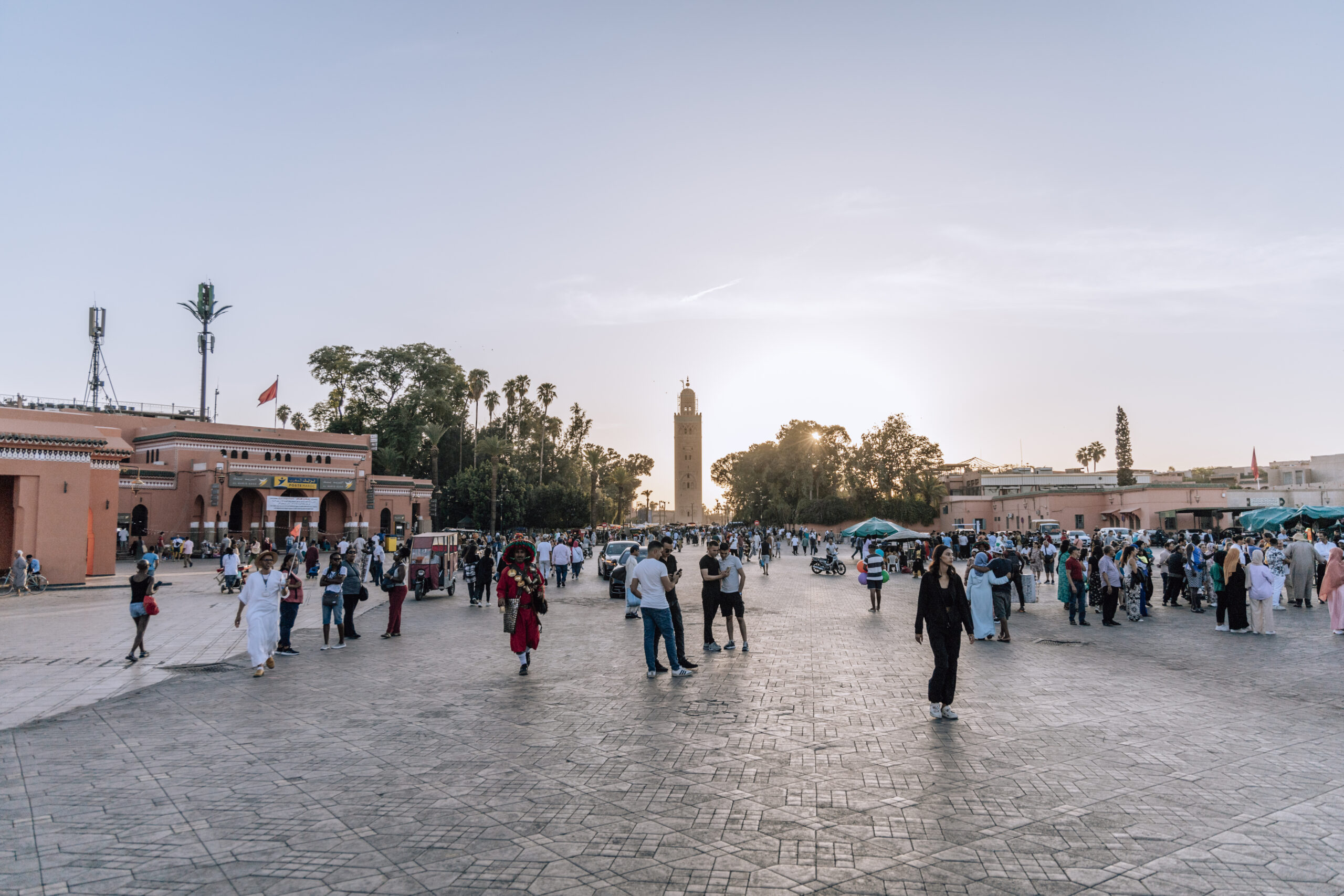
Desert Tours from Marrakech

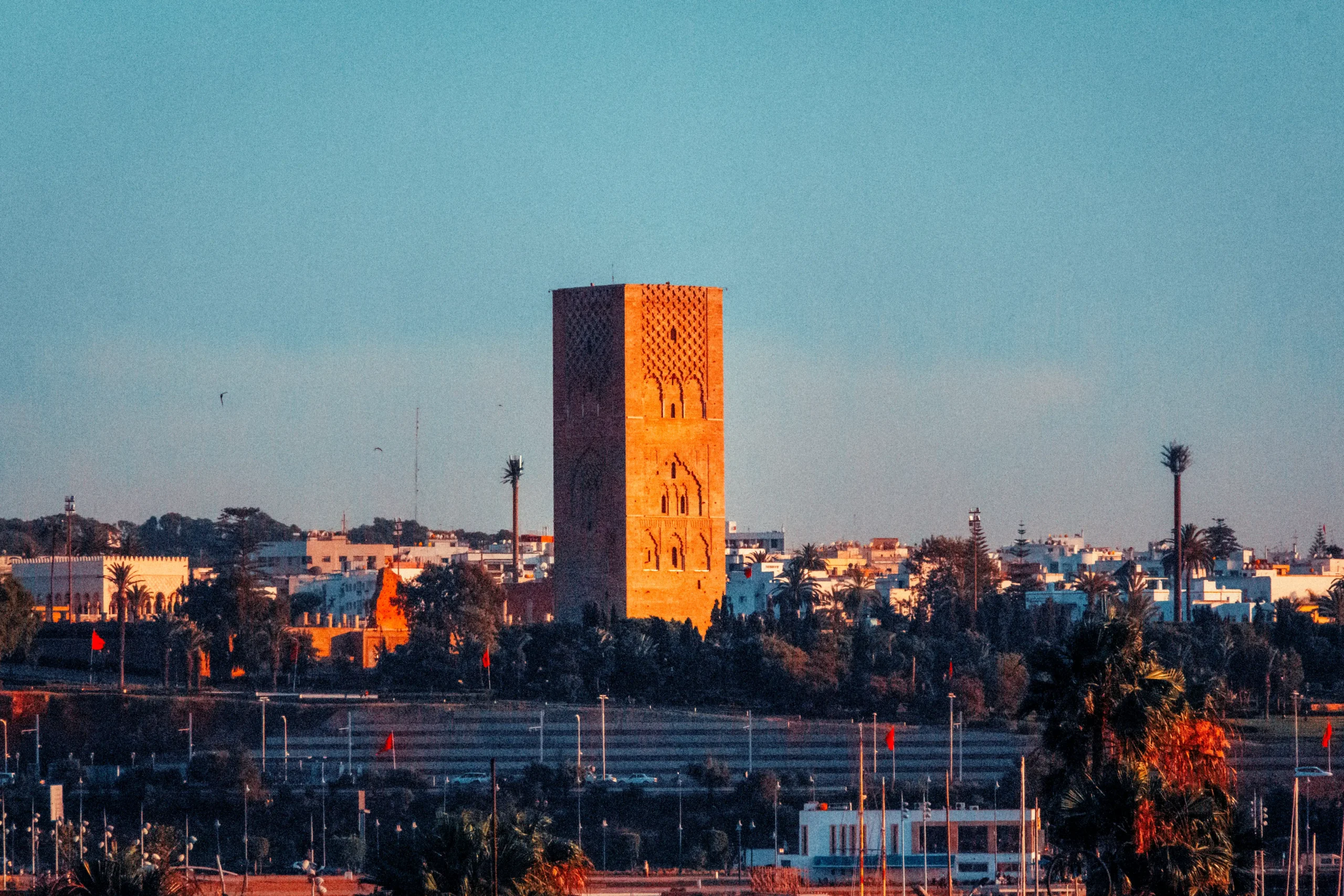
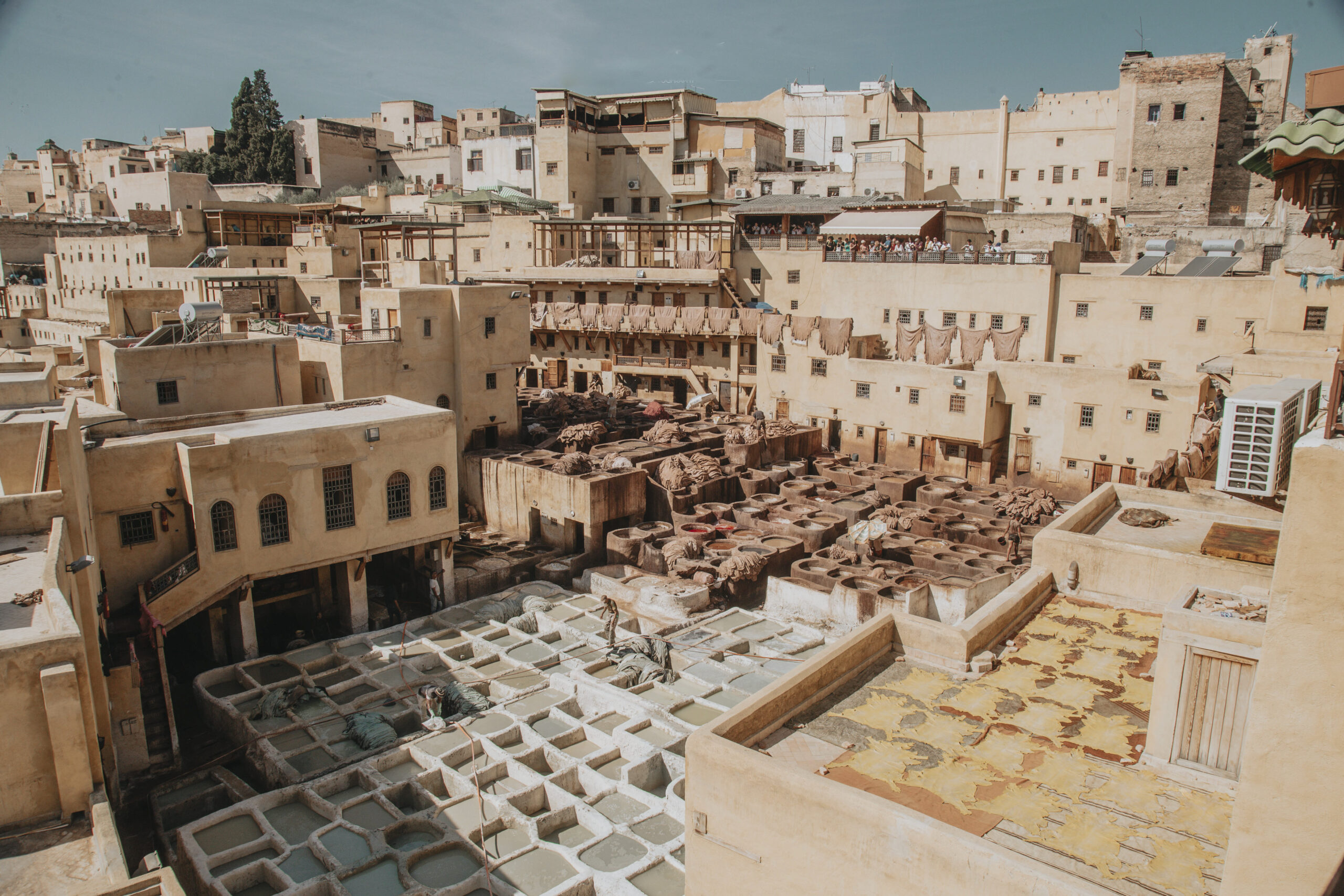
Desert Tours from Fes

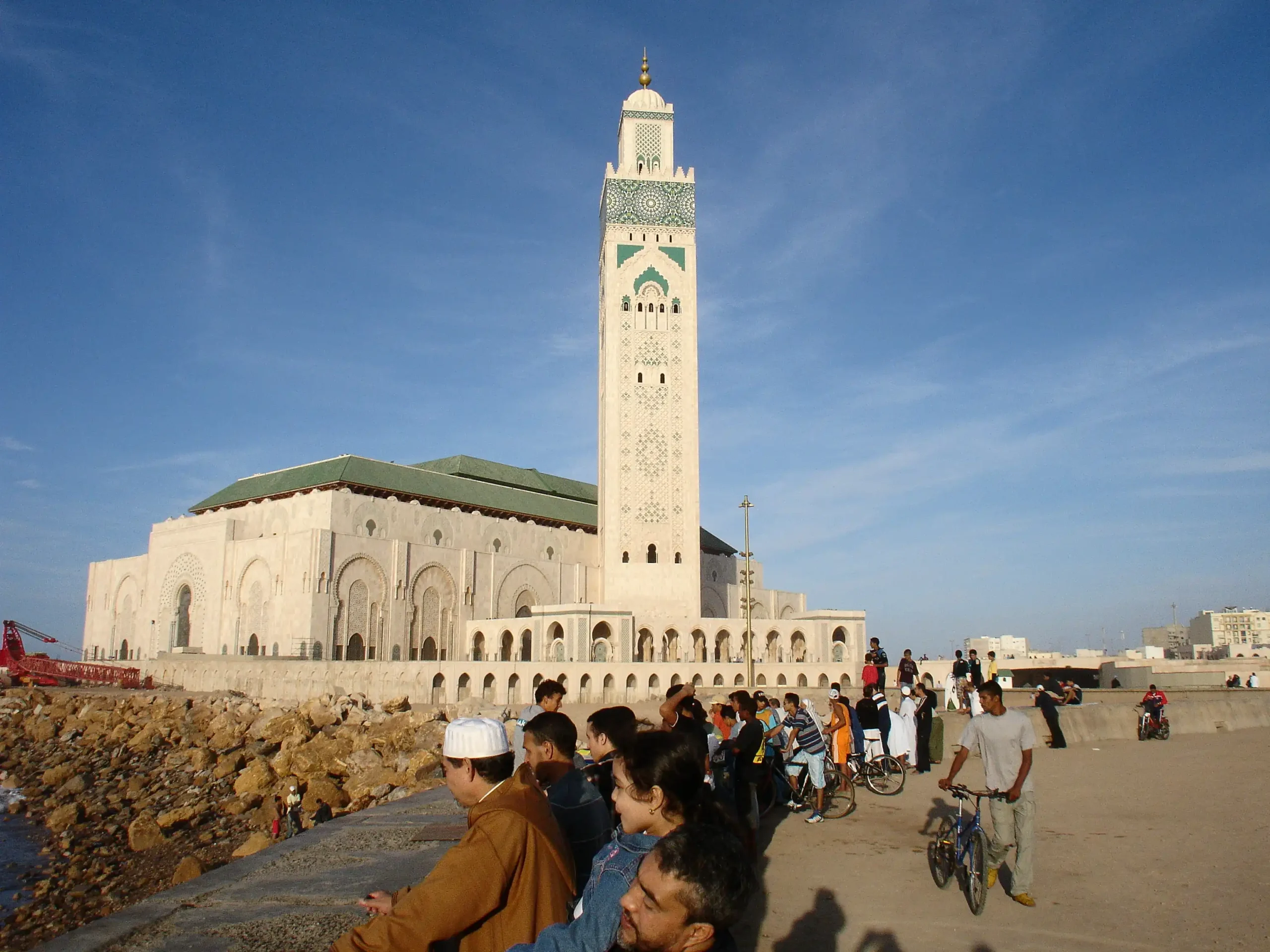
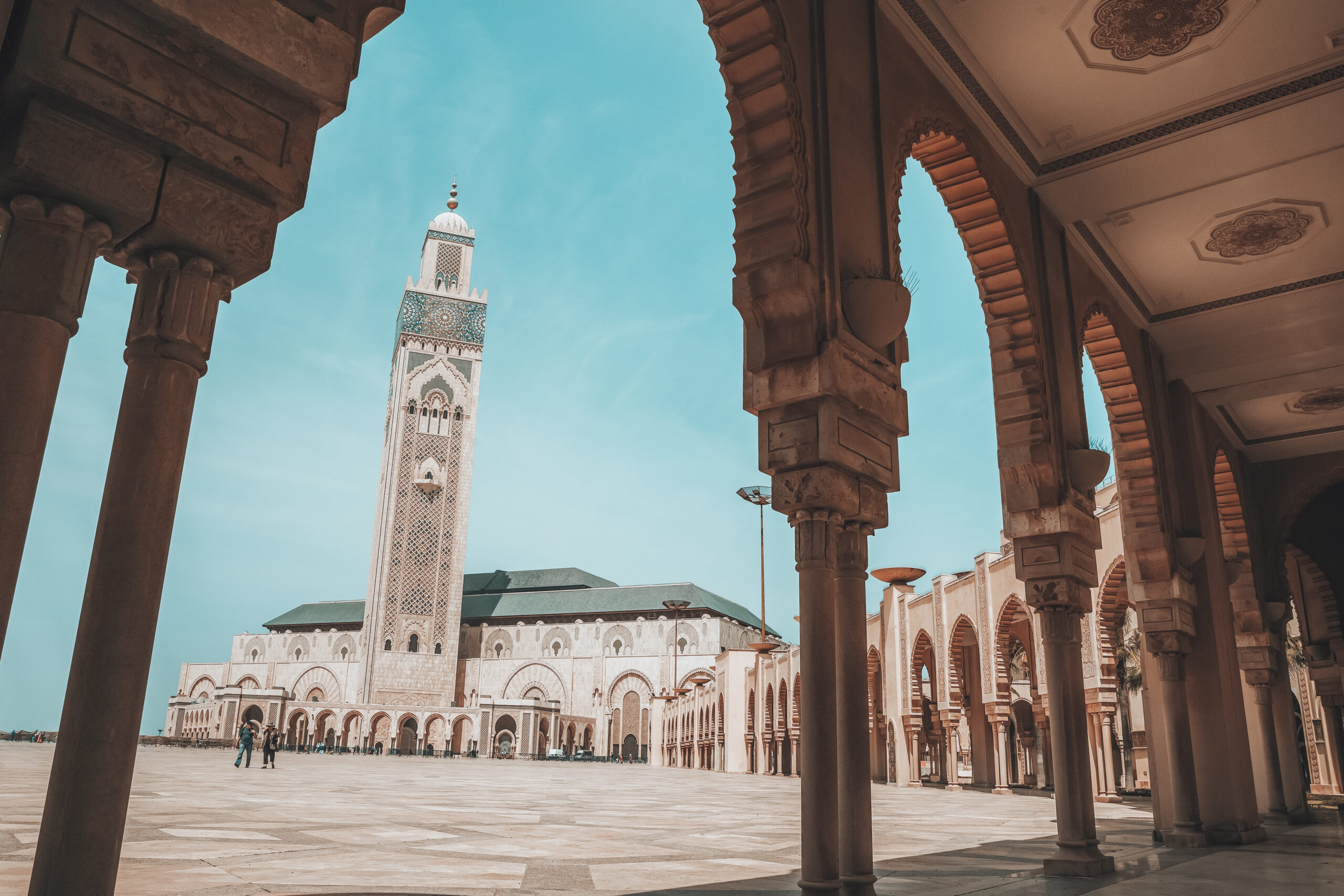
Desert Tours from Casablanca

Desert Tours from Tangier

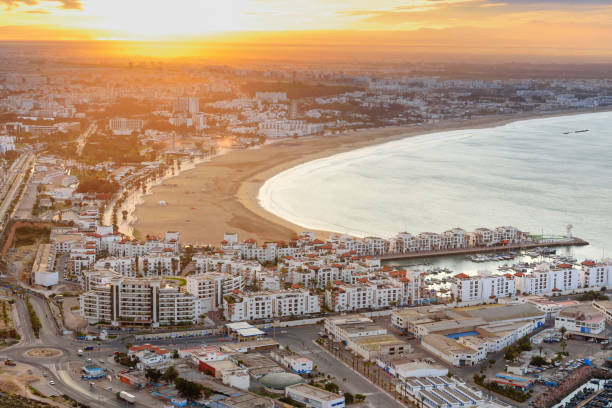
Desert Tours from Agadir

Desert Tours from Errachidia

Whichever city your trip begins in, a stop at Ait Ben Haddou Kasbah is built into the route on the way to or from the Sahara, giving you the chance to see one of Morocco’s most iconic sites without adding extra days to your itinerary.

Frequently Asked Questions

Is Ait Ben Haddou Kasbah worth visiting?

Yes. As one of Morocco’s best-preserved examples of traditional earthen architecture and a UNESCO World Heritage Site, Ait Ben Haddou Kasbah is consistently rated one of the highlights of any trip through southern Morocco, particularly for the panoramic views from the hilltop granary.

How long does it take to visit Ait Ben Haddou Kasbah?

Most visitors spend 45 minutes to an hour and a half exploring the kasbah, though photographers and history enthusiasts often stay longer, especially around sunrise or sunset.

Do people still live in Ait Ben Haddou Kasbah?

A small number of families still live within the historic walls, though most residents have relocated to the newer village built across the river, leaving much of the original kasbah preserved rather than actively inhabited.

Which movies were filmed at Ait Ben Haddou Kasbah?

Ait Ben Haddou Kasbah has appeared in numerous productions, including Gladiator, Lawrence of Arabia, Kingdom of Heaven, The Mummy, and Game of Thrones, thanks to its dramatic architecture and proximity to the Atlas Film Studios in Ouarzazate.

Can I visit Ait Ben Haddou Kasbah as a day trip from Marrakech?

Yes, though most travelers combine it with a longer desert tour toward Merzouga, since it sits directly along the route over the Tizi n’Tichka Pass rather than requiring a separate trip.

Every one of our private desert tours routes through Ait Ben Haddou Kasbah, giving you time to explore this UNESCO site with a knowledgeable local guide before continuing toward the Sahara. Get in touch to find the tour that fits your travel dates.