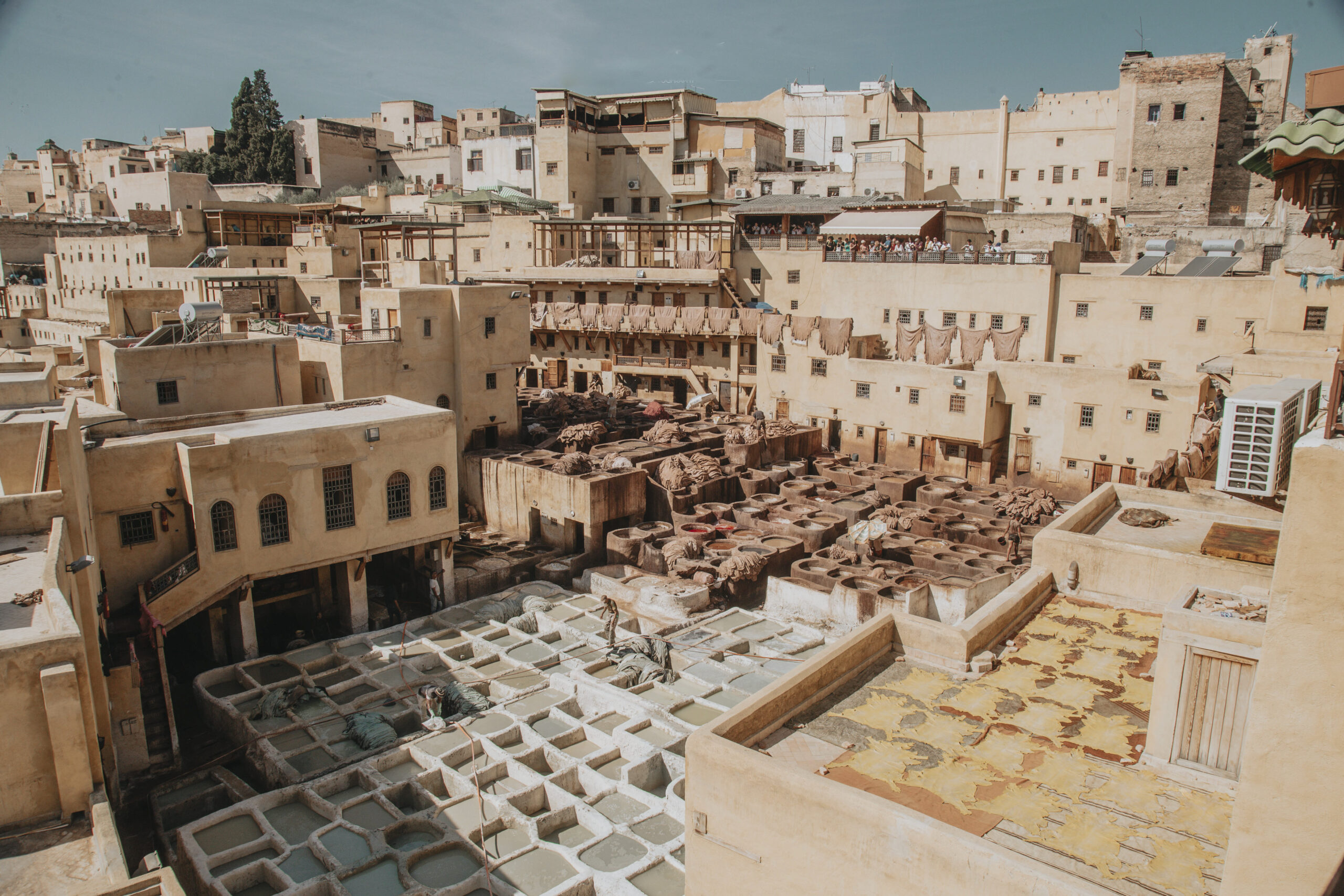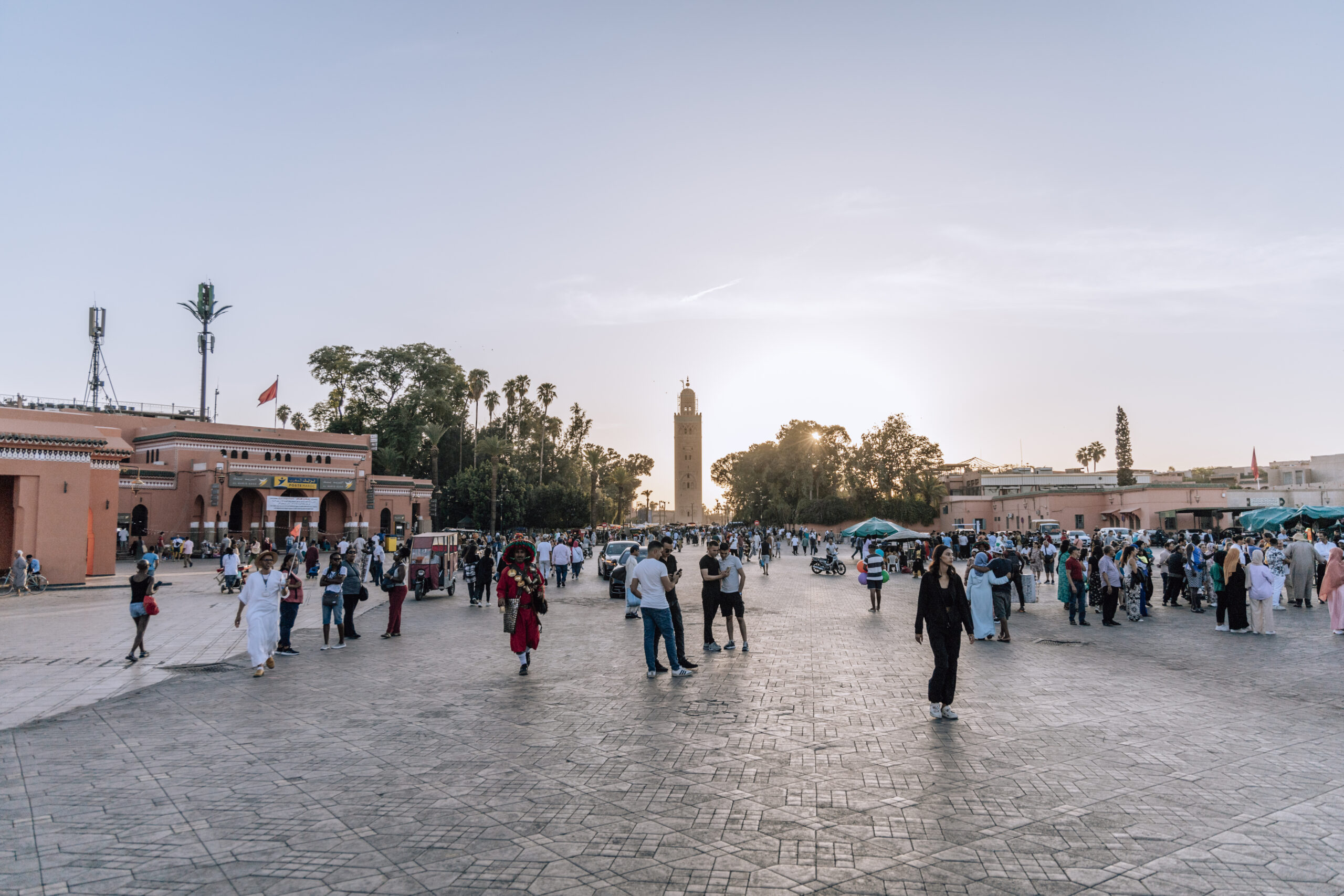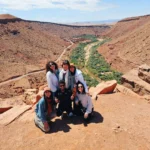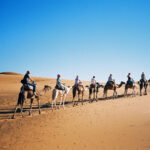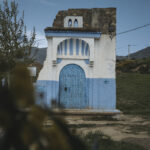
Is Morocco safe for solo female travelers? It’s one of the most searched questions among women planning a North Africa trip, and it deserves more than a quick yes-or-no answer. Every year, thousands of women travel through Morocco alone, wandering the souks of Marrakech, watching the sunrise over the Sahara dunes, getting lost (happily) in the blue lanes of Chefchaouen, and come home having had one of the best trips of their lives. At the same time, Morocco is a culturally conservative country, and solo women do encounter a kind of attention here that doesn’t come up as often in, say, Portugal or Japan.
This guide is written for exactly that traveler: the woman who wants an honest picture before she books, not a sanitized brochure version or a scare-tactic warning. We’ll walk through what’s actually true about safety, what to expect day to day, how to dress and move through the country comfortably, and how to build an itinerary that lets you enjoy Morocco fully rather than cautiously.
Morocco is, statistically and practically, a safe country for solo female travelers. Violent crime against tourists is rare, the tourism industry is well developed, and Moroccan culture places real value on hospitality toward guests. Women travel here solo constantly, backpackers, retirees, digital nomads, honeymooners who split off for a few days on their own, and the overwhelming majority describe their trip as safe, memorable, and worth repeating.
The adjustment isn’t really about danger. It’s about attention. In busy tourist areas, particularly the medinas of Marrakech and Fez, solo women often draw comments, stares, or persistent vendors trying to strike up conversation. It’s rarely threatening, but it can be tiring by day three if you don’t have a strategy for it, which is exactly what the rest of this guide covers.
Being upfront here matters more than being reassuring. The most common experiences reported by solo female travelers in Morocco are:
None of this typically escalates into anything physical or genuinely dangerous. It’s a cultural pattern rooted in curiosity about a woman traveling independently, which is still less common in Moroccan society than in Western countries. Knowing this in advance turns it from something alarming into something you can shrug off, the same way you might tune out a busker calling for tips.
Clothing is one of the simplest levers you have, and it makes a real difference. Morocco is a Muslim country, and while tourist zones are used to Western visitors, modest dressing consistently reduces unwanted attention:
This isn’t about conforming out of fear. It’s the same logic as dressing for the climate or the terrain: dressing for the culture is one more way to move through your trip with less friction.
This is the single biggest lever for solo women traveling in Morocco, and it’s worth explaining why. A private, licensed guide doesn’t just show you the sights, they act as a buffer against every form of unwanted attention before it happens. Vendors and unofficial “helpers” naturally back off when they see you’re already accompanied. You’re never guessing which turn in the medina is safe. And a guide who’s used to solo female travelers will naturally adjust pacing, restaurant choices, and evening plans around what actually makes you comfortable.
Many of our solo travelers start with a guided city day or two, then transition into independent exploring once they’ve got their bearings, the confidence built in those first days tends to carry through the rest of the trip.
If you’re ready to start planning, here are a few itinerary structures that work particularly well for solo women:
Yes. Morocco is one of the more visited solo-female-travel destinations in North Africa, and the vast majority of women report feeling safe throughout their trip, particularly when they dress modestly and use trusted transport and accommodation.
It’s not required outside of mosques, but many women choose to carry one for practicality — covering your head in more traditional towns or religious sites, or simply for sun protection.
Main squares and well-lit tourist streets are generally fine. As anywhere, avoid quiet side streets alone late at night, and use a taxi arranged through your riad rather than walking long distances after dark.
Not strictly, but a private guide, even just for your first day or two in each city removes most of the friction points solo women report, from navigation confusion to unwanted attention.
es, when booked through an established tour operator with an experienced guide and driver. It’s one of the most commonly recommended experiences for solo travelers precisely because it’s fully guided from start to finish.
Traveling solo doesn’t mean traveling without support. Our private, women-friendly itineraries are built around your comfort and pace, with English-speaking guides who know exactly how to make the trip feel easy from the moment you land. Get in touch to start planning your solo Morocco adventure.