+212 694-574937 contact.advisormorocco@gmail.com

History of Marrakech: A Complete Travel Guide to Morocco’s Red City

Marrakech is one of the most beautiful and historic cities in Morocco. Known around the world as the Red City, Marrakech is famous for its red sandstone walls, lively markets, impressive palaces, beautiful gardens, and rich cultural heritage. Every year, millions of travelers visit Marrakech to discover its history, experience traditional Moroccan life, and explore its famous attractions. Whether you are planning your first visit or returning to explore more, learning about the History of Marrakech will help you better understand why this city is one of the most popular travel destinations in North Africa.

The Founding of Marrakech

The history of Marrakech began in 1070, when the city was founded by Yusuf ibn Tashfin, the leader of the Almoravid Dynasty. During this period, Marrakech quickly became an important political, commercial, and religious center. Its location between the High Atlas Mountains and the Sahara Desert made it an ideal meeting point for traders traveling across Africa.

Large caravans carrying gold, salt, spices, leather, textiles, and other valuable goods passed through Marrakech before continuing toward Europe and the Middle East. These trade routes helped the city grow into one of the richest and most influential cities in Morocco.

Today, visitors can still see many traces of the Almoravid period while walking through the old Medina and exploring the city’s historic neighborhoods.

Marrakech Under the Great Moroccan Dynasties

Over the centuries, Marrakech became the capital of several powerful Moroccan dynasties. Each dynasty left behind beautiful buildings and important monuments that continue to attract visitors today.

The Almohads transformed Marrakech into one of the greatest cities in the Islamic world. During the 12th century, they built the famous Koutoubia Mosque, which remains the symbol of Marrakech. Its impressive minaret stands nearly 77 meters high and can be seen from many parts of the city.

Later, during the Saadian Dynasty in the 16th century, Marrakech entered another golden age. The Saadian rulers built magnificent palaces, expanded the city, and constructed the famous Saadian Tombs, one of the city’s most visited historical attractions.

The Alaouite Dynasty, which still rules Morocco today, also contributed to preserving Marrakech’s cultural heritage while developing new neighborhoods outside the ancient walls.

The Historic Medina of Marrakech

The heart of Marrakech is its historic Medina, one of the best-preserved old cities in the Arab world. Surrounded by almost 19 kilometers of red defensive walls, the Medina contains thousands of narrow streets, traditional houses, markets, mosques, and small squares.

In 1985, the Medina of Marrakech was listed as a UNESCO World Heritage Site because of its outstanding historical and cultural importance.

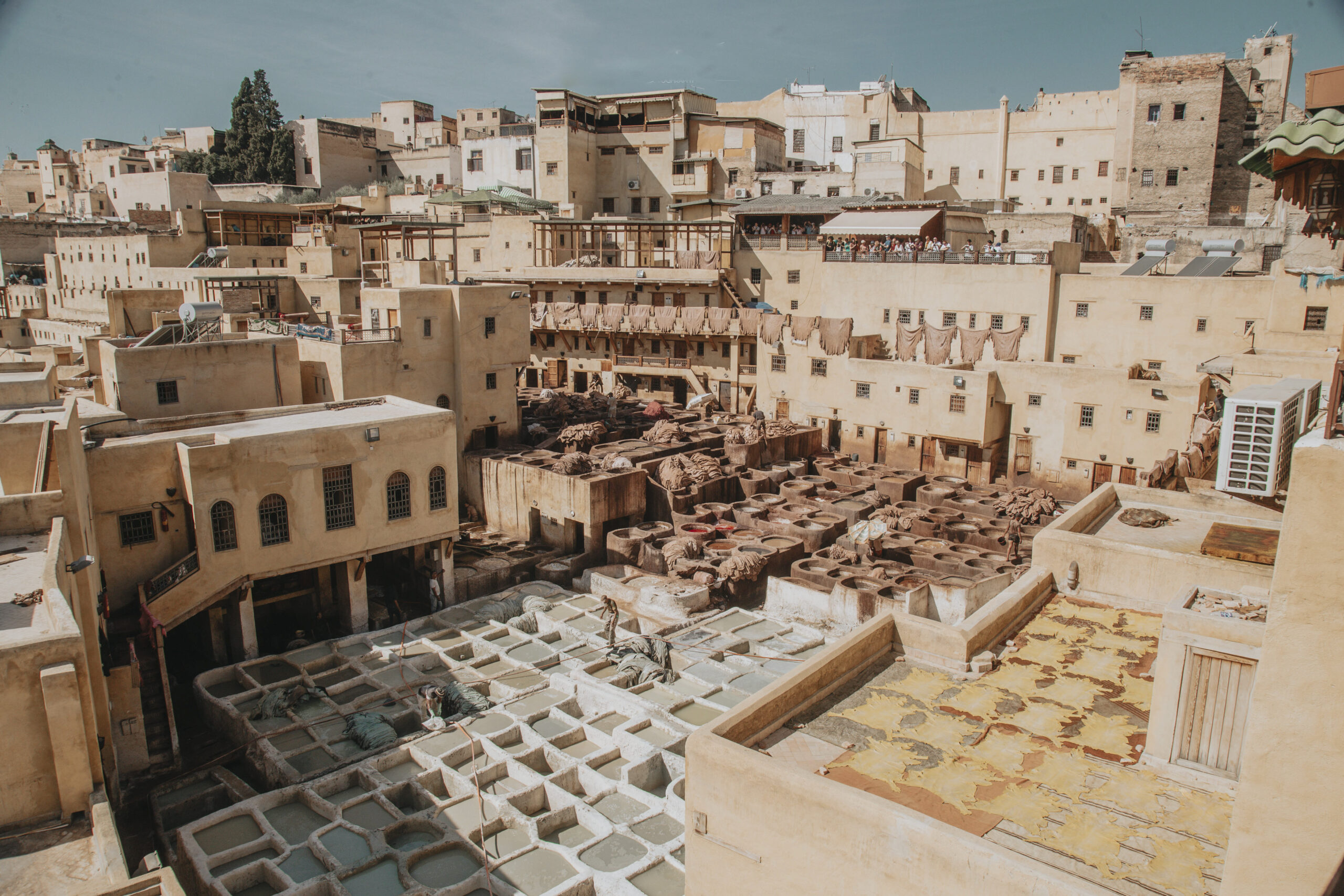
Walking through the Medina feels like stepping back in time. Every street offers something different, from local craftsmen making leather bags and carpets to spice shops filled with colorful products and the smell of traditional Moroccan herbs.

Visitors can spend hours exploring the old streets while discovering hidden riads, local bakeries, traditional cafés, and beautiful courtyards that reflect authentic Moroccan architecture.


Jemaa el-Fnaa Square: The Heart of Marrakech

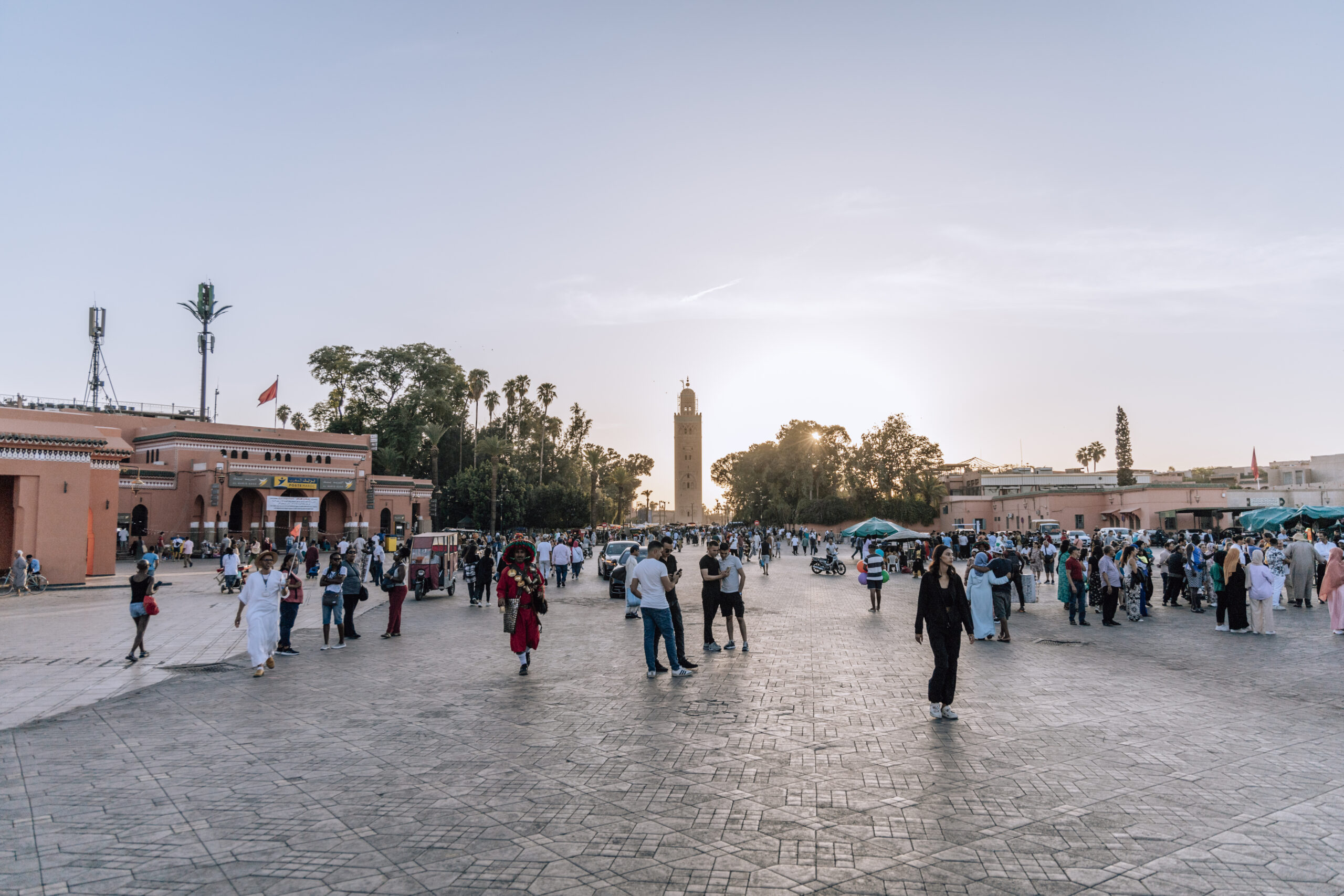
No visit to Marrakech is complete without spending time in Jemaa el-Fnaa Square. For centuries, this famous square has been the center of daily life in the city.

During the morning, visitors will find fruit stalls, fresh orange juice sellers, traditional medicine vendors, and local musicians. As the sun begins to set, the square changes completely. Food stalls appear, serving delicious Moroccan dishes such as tagine, couscous, grilled meat, and traditional sweets.

Storytellers, musicians, dancers, and performers entertain both locals and tourists until late at night. The lively atmosphere makes Jemaa el-Fnaa one of the most unforgettable places in Morocco.

Because of its unique cultural traditions, UNESCO has also recognized the square as part of the world’s intangible cultural heritage.

Famous Historical Monuments in Marrakech

Marrakech is home to many historical landmarks that tell the story of the city’s long history.

The Koutoubia Mosque is the largest mosque in Marrakech and one of Morocco’s most famous landmarks. Although non-Muslims cannot enter the mosque, they can admire its beautiful gardens and impressive architecture from outside.

The Bahia Palace is another masterpiece of Moroccan design. Built during the 19th century, the palace features elegant courtyards, colorful mosaic tiles, carved cedar wood ceilings, and peaceful gardens that reflect the luxury of Moroccan royal life.

Nearby, visitors can explore the El Badi Palace, which was once one of the most magnificent palaces in North Africa. Although much of the palace is now in ruins, it remains one of Marrakech’s most fascinating historical sites.

The beautifully restored Saadian Tombs contain the graves of members of the Saadian royal family and are famous for their detailed decoration and peaceful atmosphere.

Beautiful Gardens of Marrakech

Besides its historic monuments, Marrakech is also known for its beautiful gardens.

The world-famous Majorelle Garden is one of the city’s most visited attractions. Designed by French artist Jacques Majorelle and later restored by fashion designer Yves Saint Laurent, the garden contains exotic plants, fountains, cactus collections, bamboo forests, and the famous Majorelle Blue buildings.

Another peaceful place is the Menara Gardens, created during the Almohad period. Visitors enjoy walking around the large reflecting pool while admiring beautiful views of the Atlas Mountains.

These gardens provide a quiet escape from the busy streets of the Medina and show another side of Marrakech’s history.

Traditional Markets and Local Crafts

The traditional souks of Marrakech are among the largest and most famous markets in Morocco.

Here, visitors can buy handmade carpets, leather products, pottery, silver jewelry, lanterns, spices, traditional clothing, and wooden crafts made by local artisans.

Many families have practiced these traditional skills for generations, making the souks an important part of Marrakech’s cultural heritage.

Shopping in the Medina is not only about buying souvenirs but also about experiencing the daily life and traditions that have existed for hundreds of years.

Moroccan Food in Marrakech

Food plays an important role in Marrakech’s culture.

Visitors can enjoy famous Moroccan dishes such as tagine, couscous, harira soup, grilled kebabs, pastilla, fresh bread, olives, and delicious mint tea.

The city offers everything from small family restaurants to luxury rooftop dining with panoramic views of the Medina.

Trying local food is one of the best ways to experience the authentic culture of Marrakech.

Marrakech Today

Today, Marrakech is one of the leading tourist destinations in Africa. Modern hotels, luxury riads, excellent restaurants, and international events exist alongside centuries-old traditions.

The city continues to preserve its history while welcoming visitors from around the world. Whether you are interested in architecture, history, culture, shopping, food, or adventure, Marrakech offers something for everyone.

It is also the perfect starting point for exploring the Atlas Mountains, Ourika Valley, Ait Ben Haddou, Ouarzazate, and the Sahara Desert, making it one of the best travel destinations in Morocco.

Why Visit Marrakech?

The History of Marrakech is much more than old buildings and ancient walls. It is the story of powerful dynasties, international trade, rich traditions, beautiful architecture, and warm Moroccan hospitality.

From the colorful streets of the Medina to the peaceful gardens, magnificent palaces, lively Jemaa el-Fnaa Square, and historic monuments, every corner of Marrakech tells a different story. Whether you are visiting Morocco for a short holiday or a longer cultural journey, Marrakech promises unforgettable memories and experiences that will stay with you for a lifetime.

Frequently Asked Questions

When was Marrakech founded?

Marrakech was founded in 1070 by Yusuf ibn Tashfin, leader of the Almoravid Dynasty.

Why is Marrakech called the Red City?

The city is called the Red City because its walls, buildings, and many houses are built from red sandstone and clay.

Is the Medina of Marrakech a UNESCO World Heritage Site?

Yes. The Medina of Marrakech became a UNESCO World Heritage Site in 1985.

What are the most famous historical attractions in Marrakech?

The Koutoubia Mosque, Bahia Palace, El Badi Palace, Saadian Tombs, Jemaa el-Fnaa Square, Majorelle Garden, and the historic Medina are among the city’s top attractions.

What is the best time to visit Marrakech?

Spring (March to May) and autumn (September to November) offer pleasant weather for sightseeing and outdoor activities.